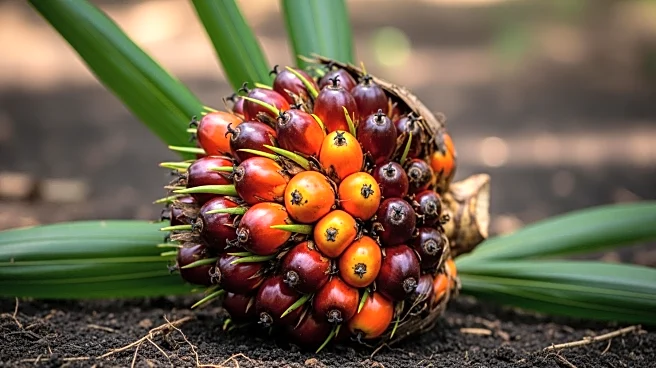




Palm oil, derived from the fruit of the oil palm, has a rich history that dates back thousands of years. Its journey from a regional staple to a global commodity is marked by significant milestones and developments. This article explores the historical timeline of palm oil production, highlighting key eras and turning points that have shaped its current status as a vital economic resource.
Early Uses and Introduction
The use of oil palms can be traced back to 5,000 years ago,
with archaeological evidence suggesting its presence in ancient Egyptian tombs. Palm oil was recognized in West and Central African countries as a widely used cooking oil. European merchants occasionally purchased palm oil for use in Europe, but it was not until the Industrial Revolution that palm oil gained prominence as an industrial lubricant for machinery.
In the late 1800s, palm oil became a sought-after commodity by British traders, forming the basis of soap products like Lever Brothers' "Sunlight" soap. By 1870, palm oil constituted the primary export of some West African countries, although cocoa soon overtook it in the 1880s.
Expansion and Globalization
The early 20th century saw the introduction of palm oil trees to British Malaya, marking the beginning of commercial cultivation in Southeast Asia. The first commercial palm oil cultivation occurred in Selangor in 1917. The 1960s witnessed a significant increase in palm oil cultivation under Malaysia's government diversification program, aimed at reducing dependency on rubber and tin.
Malaysia's FELDA land settlement schemes were introduced to eradicate poverty among local people, surrounding most palm oil plantation fields. By the 1980s, Malaysia had become the world's largest palm oil exporter, with nationalization of major palm oil companies like Guthrie, Golden Hope, and Sime Darby.
Modern Developments and Challenges
Today, palm oil production is vital for the economies of countries like Malaysia and Indonesia, the latter being the largest producer globally. The industry faces challenges related to environmental impact and social issues, including deforestation and human rights violations. Efforts to promote sustainable palm oil production have been initiated, with Malaysia pledging to limit plantation expansion and maintain forest cover.
The historical development of palm oil reflects its transformation from a regional cooking oil to a global commodity, driven by industrial demand and economic diversification. As the industry continues to evolve, addressing environmental and social concerns remains crucial for its sustainable future.