

Crumple zones are a critical innovation in automotive safety, designed to absorb impact energy during a crash and protect vehicle occupants. This concept was pioneered by Béla Barényi, a prolific inventor in the field of passive safety. Over the years, crumple zones have evolved significantly, becoming a standard feature in modern vehicles. This article delves into the history and development of crumple zones, highlighting key milestones and advancements.
Early Innovations by Béla Barényi
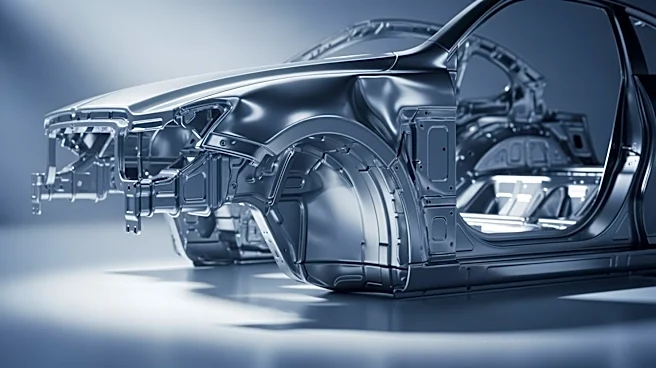
Béla Barényi, an ethnic Hungarian engineer, is credited with inventing the crumple zone concept in 1937. Before joining Mercedes-Benz, Barényi patented the idea of crumple zones, which aimed to absorb the energy of a collision, thereby reducing the force transmitted to the vehicle's occupants. His vision challenged the prevailing belief that a safe car had to be rigid. Instead, Barényi proposed dividing the car body into three sections: a rigid passenger compartment and crumple zones at the front and rear.
Barényi's ideas were partially implemented in the 1953 Mercedes-Benz "Ponton," which featured a strong platform forming a partial safety cell. This early application laid the groundwork for future developments in automotive safety, showcasing the potential of crumple zones to enhance passenger protection.
Advancements in Crumple Zone Design
The first full implementation of Barényi's crumple zone concept came with the 1959 Mercedes W111 "Tail Fin" Saloon. This vehicle incorporated a rigid safety cage with body panels and curved longitudinal members designed to deform during a collision. This design effectively absorbed collision energy, preventing the full force of the impact from reaching the occupants.
Over time, the design of crumple zones has continued to evolve. Modern vehicles often feature advanced materials and engineering techniques to enhance the effectiveness of crumple zones. For instance, the use of vertical and lateral ribs in the curved longitudinal members creates telescoping "crash can" or "crush tube" structures, further improving energy absorption during a crash.
The Impact of Crumple Zones on Automotive Safety
Crumple zones have become a standard feature in vehicles worldwide, significantly contributing to the reduction of injuries and fatalities in car accidents. By extending the deceleration time during a crash, crumple zones help to minimize the impact force experienced by passengers, thereby enhancing overall safety.
The widespread adoption of crumple zones underscores their importance in automotive design. As technology continues to advance, further innovations in crumple zone design are likely to emerge, offering even greater protection for vehicle occupants. Béla Barényi's pioneering work laid the foundation for these advancements, cementing his legacy as a key figure in the history of automotive safety.