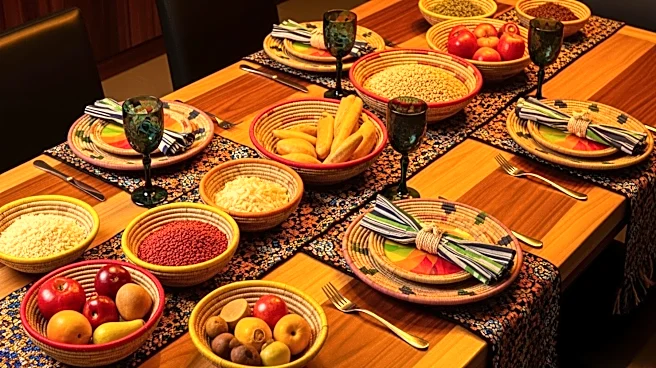





In Nigeria, food is more than just sustenance; it is a vital part of cultural identity and social life. Nigerian feasts are known for their vibrant and lavish displays, where food plays a central role in bringing people together. These gatherings are not only a celebration of flavors but also a reflection of the country's rich cultural heritage. This article explores the cultural significance of Nigerian feasts and the role that food plays in these
important social events.
Food as a Social Connector
Nigerian feasts are often colorful and extravagant, with a wide array of dishes that showcase the country's diverse culinary traditions. These feasts are an opportunity for families and communities to come together, celebrate, and strengthen social bonds. Whether it's a wedding, a festival, or a religious celebration, food is always at the heart of the event.
The preparation and sharing of food during these gatherings are seen as acts of love and hospitality. Hosts take pride in offering a variety of dishes to their guests, ensuring that everyone feels welcome and satisfied. This emphasis on hospitality is a key aspect of Nigerian culture, where food serves as a bridge that connects people and fosters a sense of community.
Traditional Dishes at Nigerian Feasts
Nigerian feasts are characterized by a rich variety of traditional dishes, each with its own unique flavors and significance. Jollof rice, for example, is a staple at many celebrations and is often accompanied by fried plantains, grilled meats, and a selection of stews and soups. The vibrant colors and bold flavors of these dishes reflect the festive spirit of Nigerian gatherings.
Another popular dish at Nigerian feasts is suya, a spicy meat skewer that is a favorite among guests. Suya is typically made with beef or chicken, marinated in a blend of spices, and grilled to perfection. Its smoky and spicy flavor makes it a crowd-pleaser and a must-have at any celebration.
The Role of Food in Cultural Identity
Food is an integral part of cultural identity in Nigeria, with each ethnic group contributing its own unique dishes and flavors to the country's culinary landscape. These traditional foods are not only a source of pride but also a way to preserve cultural heritage and pass it down to future generations.
During Nigerian feasts, the diversity of the country's ethnic groups is on full display, with dishes from different regions coming together to create a rich and varied menu. This celebration of diversity is a testament to the importance of food in Nigerian culture, where it serves as a symbol of unity and shared identity.
In conclusion, Nigerian feasts are a celebration of culture, community, and culinary tradition. Through the sharing of food, these gatherings bring people together, strengthen social bonds, and preserve the rich cultural heritage of Nigeria.