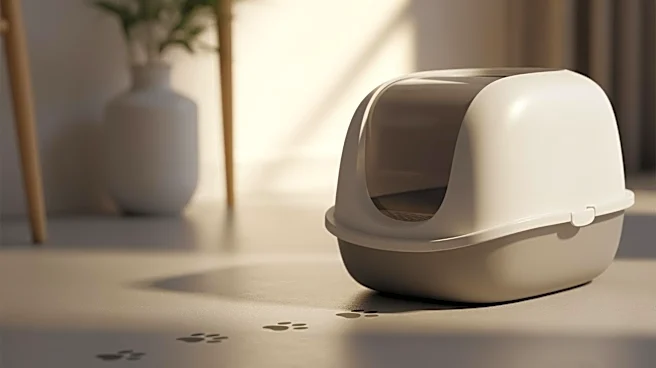








Cats are known for their fastidious nature, and their behavior around waste elimination is no exception. Litter boxes play a crucial role in catering to feline instincts, providing a space where cats can bury their waste and hide their scent. This article explores the connection between cat behavior and litter box design, highlighting how these indoor toilets meet the needs of our feline friends.
Instinctive Behaviors: Burying and Scent Marking
Cats have a natural instinct to bury their waste, a behavior
that serves multiple purposes. In the wild, covering their excrement helps conceal their presence from predators and rivals. This instinct is carried over to domestic cats, who will attempt to cover their urine and feces within their home range. Litter boxes are designed to facilitate this behavior by providing loose material that cats can rake over their waste.
The act of raking is often accompanied by sniffing, as cats assess their waste before covering it. This behavior is less common when cats are scent marking, a practice used to communicate territory and status. Understanding these instincts helps pet owners choose the right litter box and filler to accommodate their cat's natural behaviors.
Litter Box Design: Meeting Feline Needs
The design of a litter box is crucial in supporting a cat's instinctive behaviors. A typical litter box is filled with 2 inches or less of litter, providing enough material for cats to bury their waste effectively. The choice of litter material also plays a role in odor control and moisture absorption, with clay being the most common option.
Some litter brands incorporate baking soda or plant extracts to enhance odor control, while others use silica-based crystals for superior moisture management. These features not only cater to a cat's desire to hide their scent but also improve the overall hygiene of the litter box. Placement is also important; litter boxes should be kept in low-traffic areas to prevent aversion and ensure comfort.
Training and Adaptation: Encouraging Proper Use
While many cats instinctively use litter boxes, some may require training or adaptation. Kittens begin to exhibit raking behavior around thirty days of age, but they may need guidance to use the litter box correctly. Pet owners can encourage proper use by choosing a box that suits their cat's size and preferences.
For cats with special needs, such as geriatric or physically limited felines, top-entry or self-cleaning litter boxes may not be ideal. Understanding a cat's individual needs and behaviors can help owners select the best litter box and filler, ensuring a comfortable and stress-free experience for their pets.
Litter boxes are more than just a convenience for pet owners; they are essential tools that cater to the natural instincts and behaviors of cats. By understanding these behaviors, owners can create an environment that supports their feline friends' needs, promoting health and happiness.