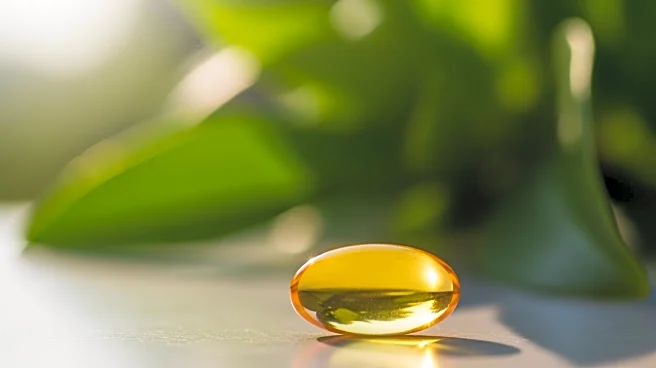

Vitamin E is renowned for its potent antioxidant properties, playing a crucial role in protecting biological membranes from oxidative stress. This article explores how Vitamin E functions as an antioxidant,
its interaction with other compounds, and its significance in maintaining cellular health.
Mechanism of Action
Vitamin E exists in eight forms, including four tocopherols and four tocotrienols, with alpha-tocopherol being the most active. These molecules are abundant in vegetable oils and act as antioxidants by neutralizing reactive oxygen species produced during fatty acid oxidation. The chromanol ring in tocopherols and tocotrienols allows them to donate hydrogen atoms, stabilizing free radicals and preventing cellular damage.
In biological membranes, Vitamin E is particularly concentrated in the lipid-rich mitochondrial membranes, where it combats oxidative stress. Mitochondria generate free radicals during energy production, and Vitamin E helps protect these vital organelles from damage, preserving cellular function.
Interaction with Other Antioxidants
Vitamin E works synergistically with other antioxidants like Vitamin C and glutathione. When Vitamin E neutralizes a free radical, it can be regenerated by these compounds, maintaining its antioxidant capacity. This collaboration enhances the overall antioxidant defense system, reducing the risk of oxidative damage to proteins, lipids, and DNA.
Additionally, Vitamin E's role extends to food preservation, where it prevents rancidity caused by free radicals. Synthetic forms of Vitamin E are used as additives in the food industry, ensuring product stability and longevity.
Health Implications
The antioxidant properties of Vitamin E have significant health implications. By protecting cell membranes, Vitamin E supports neurological health, potentially preventing conditions like Parkinson's disease. It also plays a role in cardiovascular health by preventing platelet aggregation and protecting red blood cells.
However, while Vitamin E offers numerous benefits, excessive supplementation can lead to adverse effects, such as increased risk of hemorrhagic stroke. Therefore, it is essential to balance Vitamin E intake through diet and supplements, considering individual health needs.
Vitamin E's antioxidant power is a cornerstone of its health benefits, safeguarding cells from oxidative stress and supporting overall well-being. Understanding its mechanism and interactions with other antioxidants provides insight into its vital role in human health.