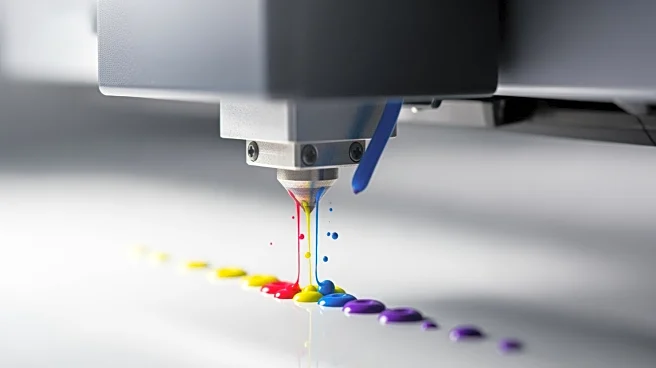

Digital printing has become an integral part of various industries, offering unique advantages and applications that traditional printing methods cannot match. This article delves into the diverse uses
and benefits of digital printing, highlighting its impact on different sectors.
Versatility in Commercial and Fine Art Printing
In the commercial realm, digital printing has revolutionized the production of business stationery, including business cards and letterheads. Its ability to handle variable data printing allows for mass personalization, making it ideal for direct marketing and customer relationship management. Companies can now produce customized materials tailored to individual recipients, enhancing engagement and response rates.
Fine art printing has also benefited from digital technology. Artists can now create high-quality reproductions of their work using inkjet printers, without the need for expensive printing plates or large print runs. This flexibility allows artists to print and sell individual pieces on demand, maintaining control over the production process and ensuring the highest quality output.
Innovations in Digital Cylinder Printing
Digital cylinder printing has opened new possibilities for printing on cylindrical objects, such as cups, bottles, and promotional products. This method is faster and more efficient than traditional screen printing, requiring fewer production steps and enabling reduced run lengths. The ability to print full color in one pass, including primers and specialty inks, allows for seamless designs and multiple techniques, such as mirror prints and stained glass effects.
The versatility of digital cylinder printing extends to various industries, from promotional products to packaging. Its ability to handle complex designs and multiple colors in a single pass makes it a valuable tool for businesses looking to create eye-catching and unique products.
Environmental and Economic Benefits
Digital printing offers significant environmental and economic advantages. By eliminating the need for printing plates and reducing setup times, digital printing minimizes waste and energy consumption. This efficiency translates into cost savings for businesses, making it an attractive option for both small and large print runs.
Moreover, digital printing's ability to produce on-demand reduces the need for large inventories, further decreasing waste and storage costs. This flexibility allows businesses to respond quickly to market demands and produce materials as needed, reducing the risk of overproduction and obsolescence.
In conclusion, digital printing continues to transform industries with its versatility, efficiency, and environmental benefits. As technology advances, its applications and advantages are likely to expand, offering even more innovative solutions for businesses and artists alike.