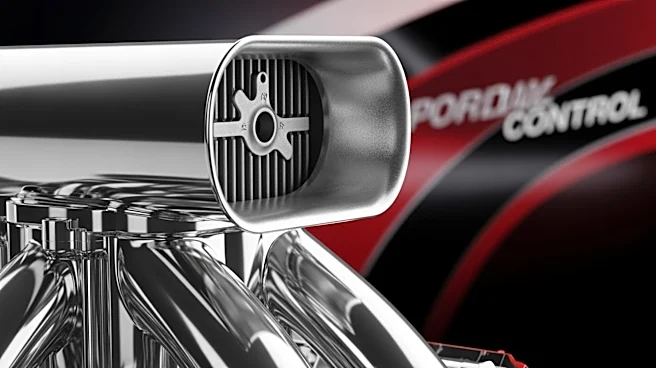








Restrictor plates have been a part of stock car racing for decades, evolving over time to meet the changing needs of the sport. Initially introduced as a safety measure, these devices have become a staple in NASCAR, particularly on superspeedways. This article explores the history and development of restrictor plates, highlighting their impact on the sport and how they have shaped the racing experience.
Early Use and Development
The concept of using restrictor plates in stock
car racing dates back to the early days of NASCAR. As cars became faster and more powerful, the need for a mechanism to control speed became apparent. Restrictor plates were introduced as a solution to this problem, limiting the amount of air and fuel that could enter the engine and thereby reducing power output.
Initially, restrictor plates were met with resistance from some drivers and teams who felt that they hindered performance. However, as the sport continued to grow and the speeds on superspeedways increased, the safety benefits of restrictor plates became undeniable. Over time, NASCAR refined the design and implementation of these plates, ensuring they provided the necessary safety without overly compromising the competitive nature of the races.
Impact on Racing Dynamics
The introduction of restrictor plates brought about significant changes in racing dynamics. With reduced power, cars were forced to run closer together, leading to more competitive and strategic racing. This close racing often resulted in thrilling finishes and increased the importance of drafting, where drivers use the slipstream of the car in front to gain speed.
Restrictor plates also influenced the way teams approached race strategy. With less power, fuel consumption became a critical factor, and teams had to carefully plan their pit stops to ensure they had enough fuel to finish the race. Additionally, the reduced power made it more challenging for drivers to execute certain maneuvers, such as the slingshot pass, which required precise timing and skill.
Ongoing Controversies and Adjustments
Despite their benefits, restrictor plates have not been without controversy. Some drivers and fans argue that the close racing they encourage can lead to more accidents, as cars are often bunched together at high speeds. Others feel that the reduced power takes away from the excitement and skill of the sport.
In response to these concerns, NASCAR has continually adjusted the use of restrictor plates, experimenting with different sizes and configurations to find the right balance between safety and competition. As the sport continues to evolve, the role of restrictor plates will likely remain a topic of debate, with ongoing discussions about their impact on the racing experience.