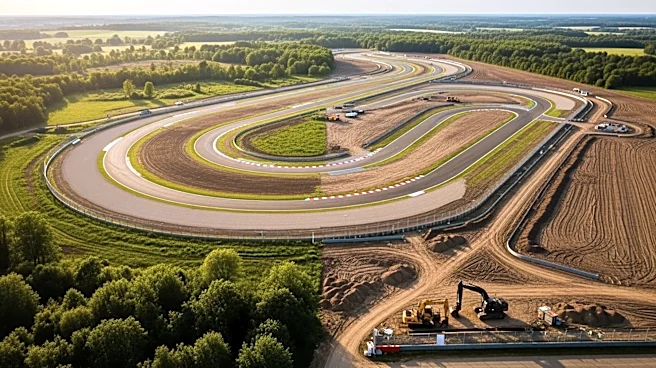

The development of the Mandalika International Street Circuit has not been without its share of controversies and challenges. Located on Lombok island, this motorsports venue has faced issues ranging from
land disputes to construction delays. Despite these hurdles, the circuit has emerged as a significant player in the world of motorsports. This article delves into the controversies surrounding its development and the impact on the local community.
Land Disputes and Legal Challenges
One of the major controversies during the development of the Mandalika Circuit involved land disputes with local residents. In October 2016, Gema Lazuardi's land was promised to be purchased by ITDC, but legal battles ensued when he was sued for using the land without permission. The court eventually ruled in his favor, highlighting the complexities of land acquisition for the project.
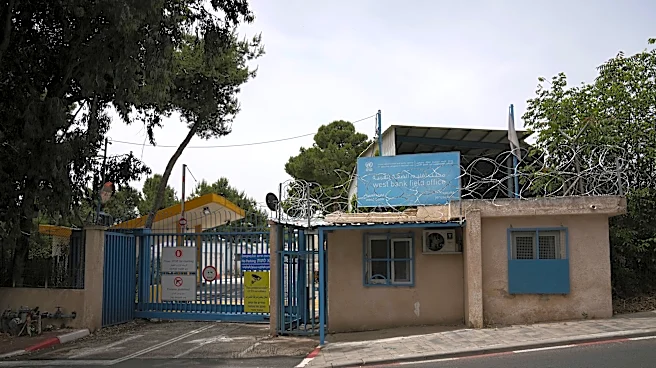
The United Nations criticized the project due to reports of local ethnic Sasak people being dispossessed of their homes and lands. The government dismissed these claims as exaggerated, promising transparency and compensation for affected residents. These disputes underscored the challenges of balancing development with community rights.
Construction Delays and Financial Constraints
The construction of the Mandalika Circuit faced delays due to financial constraints and planning challenges. Although the project was initially expected to be completed by 2020, construction did not begin until 2019. Funding from the Asian Infrastructure Investment Bank was disbursed in stages, contributing to the delays.
Despite these setbacks, the circuit hosted the Superbike World Championship in November 2021, marking a significant milestone. However, concerns about the track's condition were raised by riders, leading to further scrutiny of the construction process.
Environmental and Social Impact
The development of the Mandalika Circuit has had a significant impact on the local environment and community. The project includes a conservation area of over 3,000 hectares, aimed at preserving native species and minimizing damage to flora and fauna. This initiative reflects the project's commitment to environmental sustainability.
Socially, the circuit has introduced new tourist destinations, contributing to the local economy. However, the displacement of residents and land disputes have raised questions about the project's social responsibility. The government has pledged to address these concerns through dialogue and compensation.
In summary, the Mandalika International Street Circuit's development has been a complex process, marked by controversies and challenges. While the circuit has achieved success in hosting international events, the issues faced during its construction highlight the need for careful planning and consideration of community interests.