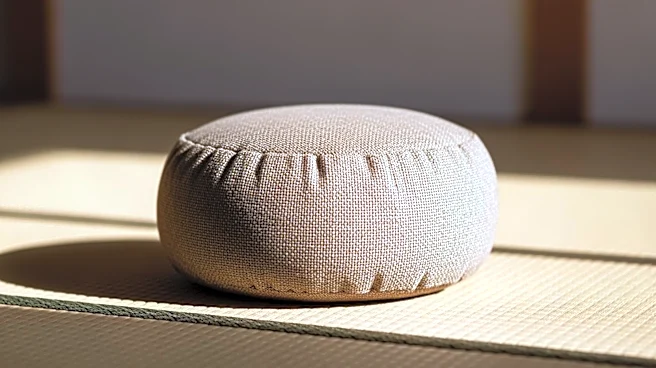








Meditation is a practice that requires both mental focus and physical comfort. In Zen meditation, or zazen, the zafu plays a crucial role in providing the necessary support for practitioners. This round cushion, often filled with materials like kapok or buckwheat hulls, is designed to elevate the hips and promote a stable sitting posture. By examining the construction and use of the zafu, we can better understand its importance in the meditative process.
Construction and Design
The zafu is typically about 35 centimeters in diameter and 20 centimeters high when fluffed. It is constructed from three pieces of heavy cloth, usually in black, with two round swatches for the top and bottom and a long rectangle sewn in between. This design allows the zafu to maintain its shape and provide consistent support. The filling, often kapok or buckwheat hulls, is chosen for its ability to conform to the body while offering firm support. This construction is not only practical but also rooted in tradition, as the zafu's origins trace back to China, where it was initially filled with reedmace down.
Function in Meditation
The primary function of the zafu in Zen meditation is to elevate the hips, which helps align the spine and create a stable base for sitting. This elevation is crucial for maintaining the various cross-legged positions used in meditation, such as the lotus or half-lotus positions. By supporting the hips, the zafu allows the knees to rest comfortably on the zabuton, a larger rectangular cushion placed underneath. This combination of zafu and zabuton provides a comfortable and stable seating arrangement, essential for long meditation sessions.
Ritual and Respect
In Zen practice, the zafu is not just a cushion but a respected object. Before and after meditation, practitioners perform a gassho bow to the zafu, acknowledging its role in their practice. There are also specific ways to handle the zafu when moving around the meditation hall, or zendo, reflecting the discipline and mindfulness that Zen meditation cultivates. This respect for the zafu underscores its significance beyond mere functionality, highlighting its place within the broader context of Zen traditions.
The zafu is more than just a cushion; it is an integral part of the Zen meditation experience. Its thoughtful design and construction provide the physical support necessary for meditation, while its role in ritual and practice reflects the deeper values of Zen. Understanding the zafu's function and significance offers insight into the meditative process and the traditions that support it.