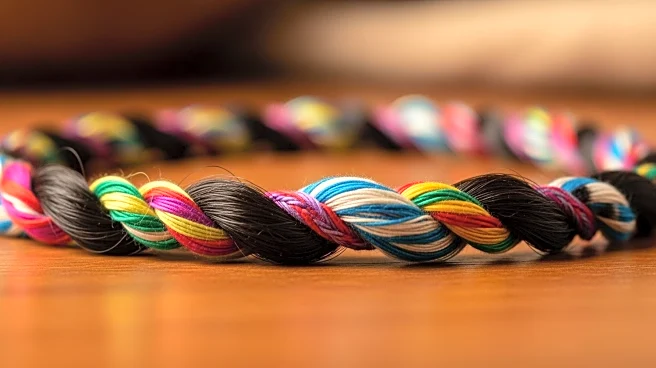

Hair care is not just about maintaining hygiene and appearance; it holds deep cultural and social significance across different societies. From ancient rituals to modern trends, hair care practices reflect
cultural identities and social norms. This article explores the cultural importance of hair care, highlighting diverse practices from around the world.
Historical and Cultural Roots
Throughout history, hair care has been intertwined with cultural identity and social status. In ancient Egypt, hair removal was a common practice among the affluent, serving both as a fashion statement and a means to combat lice infestations. Egyptians often replaced their natural hair with wigs, which were easier to maintain and considered fashionable.
In India, hair care has deep roots in traditional practices, with the use of natural ingredients like herbs and oils for cleansing and conditioning. The practice of "champu," from which the word shampoo is derived, involved massaging the scalp with herbal extracts, reflecting the cultural emphasis on holistic well-being.
Modern Practices and Social Norms
In contemporary society, hair care practices continue to reflect cultural norms and social expectations. In many Western cultures, women are encouraged to remove body hair, a practice that gained popularity in the early 20th century with the rise of fashion trends that exposed more skin. This cultural norm is often associated with femininity and attractiveness.
Conversely, in some Middle Eastern cultures, hair removal is a long-standing tradition for both men and women, rooted in religious and hygienic practices. The removal of body hair is seen as a way to maintain cleanliness and adhere to cultural standards of modesty.
Hair as a Symbol of Identity
Hair can also serve as a powerful symbol of identity and resistance. In the 1960s and 70s, the Afro hairstyle became a symbol of Black pride and cultural identity in the United States, challenging Eurocentric beauty standards. Similarly, the Rastafarian movement embraces dreadlocks as a symbol of spiritual and cultural identity.
In some cultures, hair is used to signify life transitions or social status. For example, in certain Native American tribes, hair cutting is a ritualistic practice that marks significant life events or changes in status. In Sikhism, uncut hair is a symbol of religious devotion and identity.
Overall, hair care practices are deeply embedded in cultural traditions and social norms, serving as a reflection of identity, status, and values. Understanding these practices provides insight into the diverse ways in which people around the world express themselves through their hair.