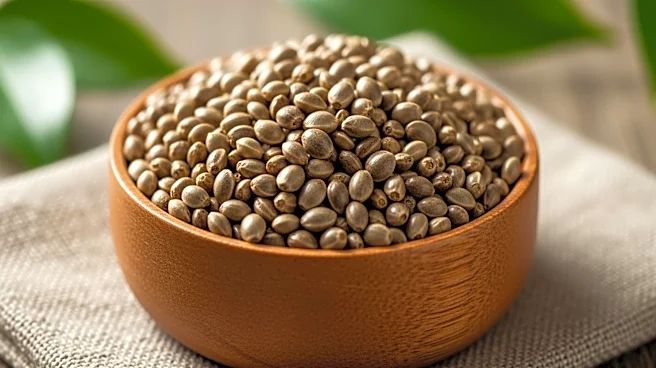






Hemp seeds, derived from the Cannabis sativa plant, are celebrated for their rich nutritional profile and versatility in food products. Packed with essential amino acids, unsaturated fatty acids, and dietary minerals, hemp seeds offer numerous health benefits. This article delves into the nutritional power of hemp seeds, highlighting their uses and advantages.
Nutritional Composition of Hemp Seeds
Hemp seeds are a rich source of protein, containing essential amino acids required by the
human body. They are comparable to other protein-rich foods like meat, milk, and soy. The seeds are high in unsaturated fatty acids, contributing to cardiovascular health and overall wellness. Hemp seeds also provide dietary minerals and B vitamins, supporting various bodily functions.
Despite their nutrient-rich profile, hemp seeds contain antinutritional compounds such as phytic acid and tannins. These compounds can affect nutrient absorption, but the overall nutritional value of hemp seeds remains high. Their protein digestibility corrected amino acid score (PDCAAS) is 0.66, with lysine being the limiting amino acid.
Uses of Hemp Seeds in Food Products
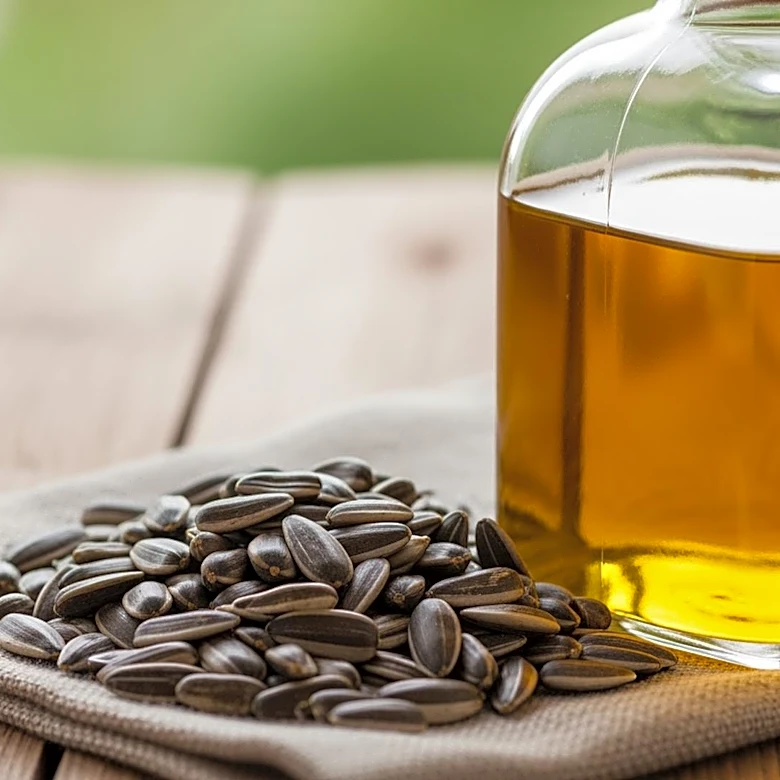
Hemp seeds can be consumed in various forms, including raw, ground into hemp meal, or made into hemp milk and tisanes. Hemp oil, cold-pressed from the seeds, is high in unsaturated fatty acids and used in cooking and nutritional supplements. The seeds can also be sprouted or made into dried sprout powder, offering versatility in food preparation.
Hemp protein, derived from hemp seeds, is sold in bulk as a powder and used in nutritional supplements and food products. It is available in various forms, such as hempseed meal, hemp protein concentrates, and hemp protein isolates. Unflavored hemp protein powder is commonly available, described as earthy or nutty.
Health Benefits and Sustainability
Hemp seeds offer numerous health benefits, including cardiovascular support, immune function optimization, and muscle repair. The amino acid profile of hemp seeds is comparable to other protein-rich foods, providing essential nutrients for overall health. Hemp seeds are also gluten-free, attracting attention as a food material for those with gluten sensitivities.
In addition to their nutritional benefits, hemp seeds contribute to sustainability. The entire hemp plant can be utilized, reducing waste and promoting eco-friendly practices. Hemp's minimal reliance on pesticides and water makes it a sustainable choice for cultivation, aligning with the growing demand for environmentally friendly food products.