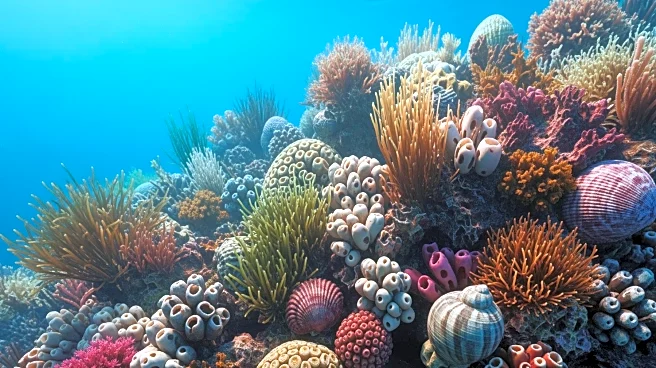




Seafood is a broad term that encompasses a wide variety of sea life consumed by humans. It includes not only fish but also shellfish, sea plants, and even some sea mammals. In the United States, the definition of seafood extends to include freshwater organisms, making it a significant part of the diet for many. This article delves into the different types of seafood and their roles in human consumption.
Types of Seafood
Seafood is primarily categorized into fish, shellfish,
and sea plants. Fish, although not always considered seafood in some parts of the world, are a major component of the seafood category in the U.S. Shellfish include molluscs, crustaceans, and echinoderms. Molluscs cover species like clams, oysters, and squid, while crustaceans include shrimp, crabs, and lobsters. Echinoderms, such as sea urchins and sea cucumbers, are less common but still part of the seafood family.
Sea plants, including various seaweeds and microalgae, are also consumed widely, especially in Asian countries. These plants are not only a source of food but also provide essential nutrients and are used in various culinary applications.
Historical Consumption of Seafood
The consumption of seafood dates back to ancient times, with archaeological evidence showing that humans have been harvesting marine life for thousands of years. In medieval times, seafood was often seen as a less prestigious alternative to meat, primarily consumed on fast days. However, it was a staple for coastal populations, with large quantities of fish being salted, dried, or smoked for preservation.
In ancient Greece and Rome, seafood was a common part of the diet, with fish like tuna and mullet being highly prized. The methods of preserving and preparing seafood have evolved over time, leading to a rich variety of seafood dishes enjoyed worldwide today.
Modern Seafood Consumption
Today, seafood remains a crucial source of protein for many people around the globe. It is especially important in coastal regions where fresh seafood is readily available. The modern seafood industry includes both wild-caught and farmed seafood, with aquaculture playing a significant role in meeting the global demand.
Seafood is not only valued for its taste but also for its health benefits. Rich in omega-3 fatty acids, vitamins, and minerals, seafood is considered a healthy dietary choice. However, sustainability and ethical concerns have become increasingly important, with efforts to ensure that seafood consumption does not harm marine ecosystems.
In conclusion, seafood is a diverse and essential part of human diets, offering a wide range of flavors and nutritional benefits. As the industry continues to grow, it is vital to balance consumption with sustainable practices to preserve this valuable resource for future generations.