



The rear delt fly is a popular exercise among fitness enthusiasts aiming to target the posterior deltoid muscles. This exercise is known for its ability to isolate the rear shoulder area, providing a focused workout that can enhance shoulder strength and definition. Whether performed with dumbbells or machines, the rear delt fly is a staple in many strength training routines.
The Mechanics of the Rear Delt Fly
The rear delt fly is performed by moving the arms in an arc, which is crucial
for effectively targeting the posterior deltoids. This movement pattern ensures that the rear shoulder muscles are engaged throughout the exercise. When using dumbbells, the individual typically bends forward at the hips, allowing the arms to hang down before lifting them out to the sides in a controlled manner. This setup helps maintain the focus on the rear delts while minimizing the involvement of other muscle groups.
Alternatively, the exercise can be performed using a machine designed specifically for rear delt flies. These machines often provide a fixed path for the arms, which can help maintain proper form and reduce the risk of injury. The machine setup usually involves sitting with the chest supported and the arms positioned to move outward against resistance. This variation can be particularly beneficial for beginners who are still mastering the technique.
Benefits of the Rear Delt Fly
The rear delt fly is an isolation exercise, meaning it specifically targets the rear deltoid muscles without significant involvement from other muscle groups. This isolation is beneficial for individuals looking to improve shoulder aesthetics or correct muscle imbalances. Strong posterior deltoids contribute to better posture and shoulder stability, which can enhance performance in other exercises and daily activities.
Moreover, incorporating rear delt flies into a workout routine can help prevent injuries. By strengthening the rear deltoids, individuals can reduce the risk of shoulder impingements and other common issues associated with weak shoulder muscles. This exercise is particularly useful for athletes and individuals who engage in activities that require overhead movements.
Equipment Options for Rear Delt Fly
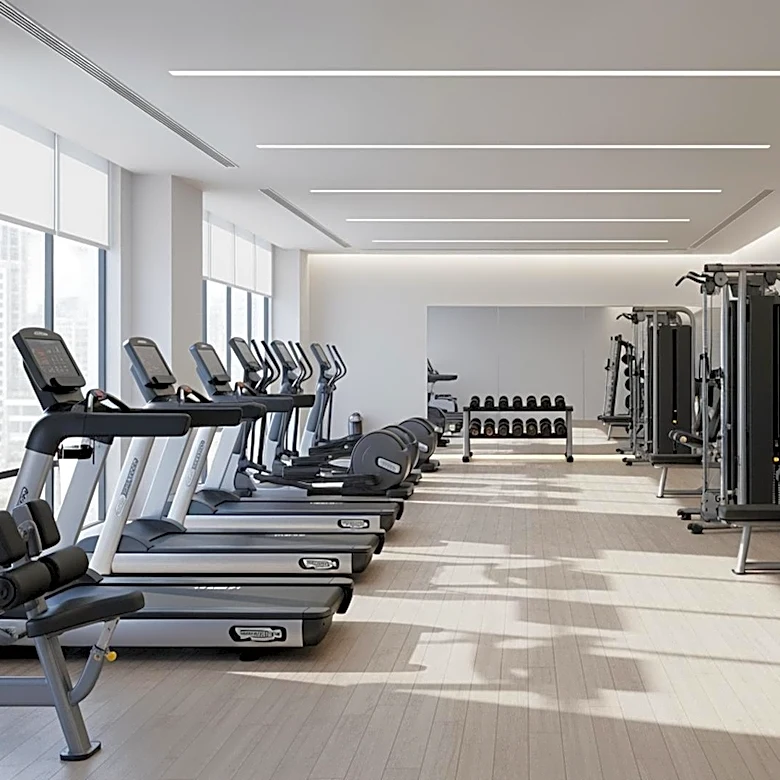
While the rear delt fly can be performed with dumbbells, some individuals prefer using machines for added convenience and support. Machines designed for rear delt flies often come with adjustable settings, allowing users to customize the resistance and range of motion to suit their needs. This adaptability can be advantageous for those recovering from injuries or looking to gradually increase their strength.
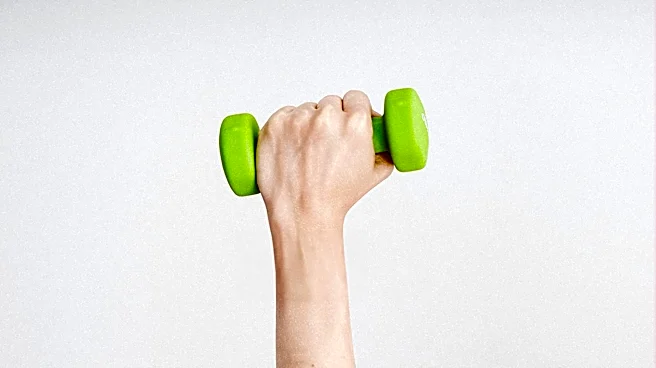
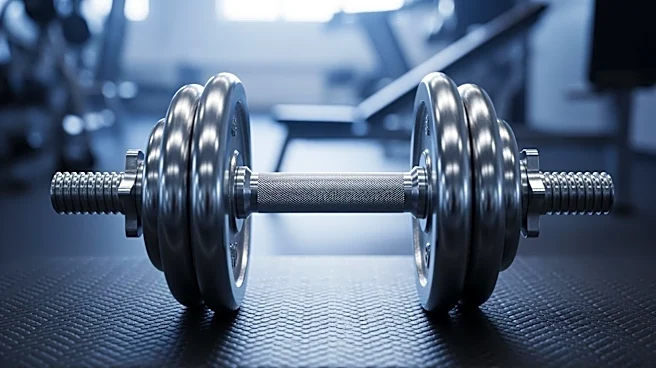
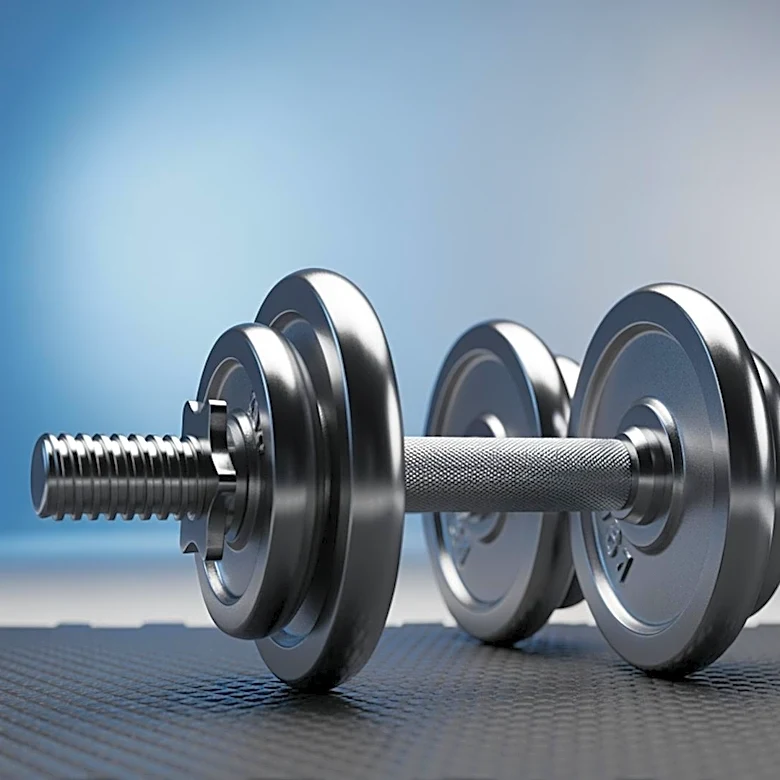
For those who prefer a more versatile approach, dumbbells offer the flexibility to perform rear delt flies anywhere, whether at home or in the gym. Dumbbells also allow for unilateral training, which can help address muscle imbalances by working each side independently. Regardless of the equipment chosen, the rear delt fly remains a valuable exercise for anyone looking to enhance their shoulder strength and definition.