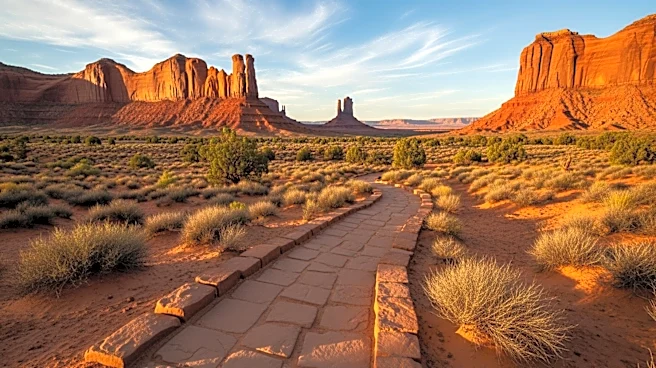

Sedona, Arizona, is a city rich in history, with roots that trace back to early Native American cultures and European settlers. This picturesque city, known for its stunning red rock formations, has a fascinating
past that has shaped its present-day identity. From its early settlement to its development as a tourist destination, Sedona's history is a tapestry of cultural influences and significant events.
Early Settlement and Development
The area now known as Sedona was originally inhabited by the Sinagua people, a pre-Columbian culture that thrived in central Arizona from 600 to about 1400. The Sinagua were followed by the Yavapai and Apache tribes, who settled along the sides of Oak Creek Canyon. European exploration began in the late 16th century when Spanish explorers arrived in search of gold and silver.
In the late 19th century, John J. Thompson became the first European-American settler in the region, moving to Oak Creek Canyon in 1876. The early settlers, including the Thompson and James families, were primarily farmers and ranchers. The establishment of a post office in 1902 marked the beginning of Sedona as a recognized community, with Theodore Carlton Schnebly serving as the first postmaster.
Growth and Incorporation
Sedona's growth accelerated in the mid-20th century, particularly after the discovery of water in the area, which allowed for the development of infrastructure. The city began to attract tourists, vacation-home buyers, and retirees, leading to significant development in the 1980s and 1990s. By 1988, Sedona was incorporated as a city, solidifying its status as a vibrant community.
The construction of the Chapel of the Holy Cross in 1956 was a notable milestone in Sedona's development. This architectural marvel, rising 70 feet out of a red rock cliff, became a symbol of the city's unique blend of natural beauty and human creativity. The chapel's construction marked Sedona's emergence as a cultural and spiritual destination.
Sedona's Cinematic Legacy
Sedona's stunning landscapes have made it a popular location for filmmakers, contributing to its cultural legacy. From the 1920s to the 1970s, Sedona served as the backdrop for more than sixty Hollywood productions. Films such as "Angel and the Badman" and "3:10 to Yuma" showcased Sedona's iconic red rocks, although they were often depicted as other locations.
The town's cinematic appeal continues to this day, with the Sedona International Film Festival attracting filmmakers and audiences from around the world. This event highlights Sedona's ongoing role as a cultural hub, celebrating the art of filmmaking and the natural beauty that inspires it. Through its rich history and cultural contributions, Sedona remains a unique and cherished destination.