






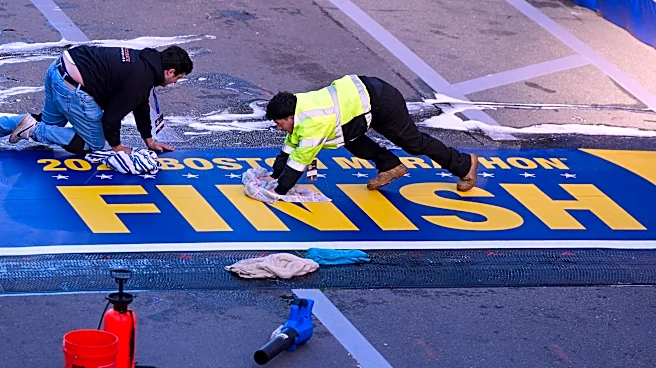
In 1980, the Boston Marathon was rocked by a scandal that would become one of the most notorious in the history of the event. Rosie Ruiz, a relatively unknown runner, crossed the finish line first in the women's category, seemingly setting a new record. However, her victory was short-lived as suspicions quickly arose about the legitimacy of her win. This article delves into the events surrounding Ruiz's disqualification and the impact it had on the marathon
community.
The Unbelievable Victory
On April 21, 1980, Rosie Ruiz appeared to win the Boston Marathon with a time of 2:31:56, which would have been the fastest female time in the marathon's history. Her victory was initially celebrated, but it didn't take long for doubts to surface. Observers noted that Ruiz did not exhibit the typical signs of fatigue expected after such a grueling race. She was not sweating heavily, and her heart rate was unusually high for an elite marathon runner.
Further suspicions were raised when Ruiz struggled to answer basic questions about her race strategy and training regimen. When asked about her interval training, a common practice among serious runners, she seemed unfamiliar with the term. These inconsistencies, combined with the fact that no other runners recalled seeing her during the race, led to an investigation by marathon officials.
The Investigation and Disqualification
The investigation into Ruiz's performance revealed that she had not run the entire course. Witnesses reported seeing her join the race from the crowd just half a mile from the finish line. This revelation was corroborated by the absence of Ruiz in any photographs or video footage from earlier in the race. As a result, the Boston Athletic Association disqualified her eight days after the marathon, stripping her of the title.
The disqualification of Ruiz was a significant moment in marathon history. It highlighted the need for more stringent measures to prevent cheating in races. The scandal also brought attention to the importance of fair play and integrity in sports, prompting organizers to implement stricter monitoring and verification processes for future events.
The Legacy of Rosie Ruiz
Despite the controversy, Rosie Ruiz maintained her innocence for many years, claiming she had legitimately won the race. However, her story became a cautionary tale in the running community. The term "doing a Rosie" emerged as a colloquial expression for cheating in a race by cutting the course.
The 1980 Boston Marathon scandal left a lasting impact on the event and the sport of marathon running. It served as a reminder of the lengths some individuals might go to achieve fame and recognition, and it reinforced the importance of maintaining the integrity of competitive sports. The incident also underscored the resilience of the marathon community, which rallied to uphold the values of fairness and sportsmanship in the face of adversity.