
Steaming is a versatile cooking method that has been embraced by cultures around the world. Its ability to preserve the natural flavors and nutrients of food has made it a staple in many global cuisines.
From Asia to the Americas, steaming plays a significant role in culinary traditions, offering a unique approach to preparing a wide variety of dishes.
Asian Culinary Traditions
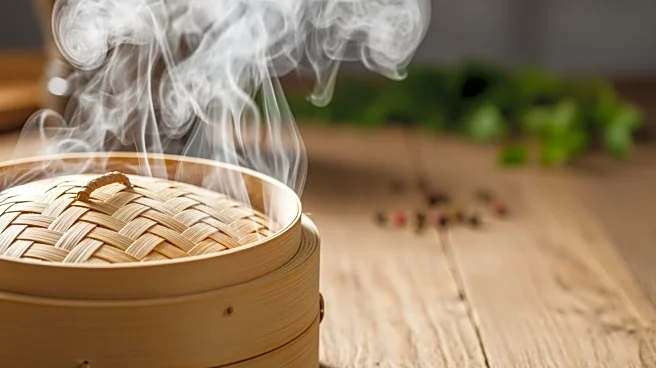
In Asian cuisines, steaming is a fundamental cooking technique, particularly in Chinese and Japanese cooking. In China, steaming is used to prepare a range of dishes, including seafood, meats, and vegetables. The bamboo steamer, a classic tool in Chinese kitchens, is used to cook delicate foods, allowing heat to condense and enhance their flavors.
Japanese cuisine also relies heavily on steaming, especially in the preparation of traditional sweets and rice dishes. Glutinous rice is steamed to make mochi rice cakes, and various Japanese sweets involve steaming rice or wheat dough. Savory dishes like chawanmushi, a savory egg custard, are also prepared using steam, showcasing the method's versatility.
Steaming in Western Cooking
While steaming is less common in Western cooking, it is primarily used for vegetables. The method's ability to preserve nutrients and moisture makes it an attractive option for health-conscious cooks. Steamed clams are a popular dish, highlighting the technique's application in seafood preparation.
In Mexican and Central American cuisine, tamales are made by steaming dough made from nixtamalized maize in wrappers made from corn husks or banana leaves. This traditional dish showcases the cultural significance of steaming in these regions, offering a unique flavor and texture that is distinct from other cooking methods.
Modern Adaptations and Innovations
Today, steaming continues to be a favored cooking method due to its health benefits and efficiency. Modern steamers are made from metal, silicone, and plastic hybrids, offering versatility and convenience. Microwave ovens with steam cooking capabilities have become popular, allowing for quick and easy preparation of steamed dishes.
The technique has also been adapted for use in home kitchens, with specialized steam ovens and microwaveable steamers available. These innovations make it easier for cooks to incorporate steaming into their culinary repertoire, offering a healthy and efficient way to prepare meals.
Steaming's global presence and cultural significance highlight its enduring appeal as a cooking method. Whether used in traditional dishes or modern adaptations, steaming offers a unique approach to food preparation that is celebrated for its simplicity and effectiveness.