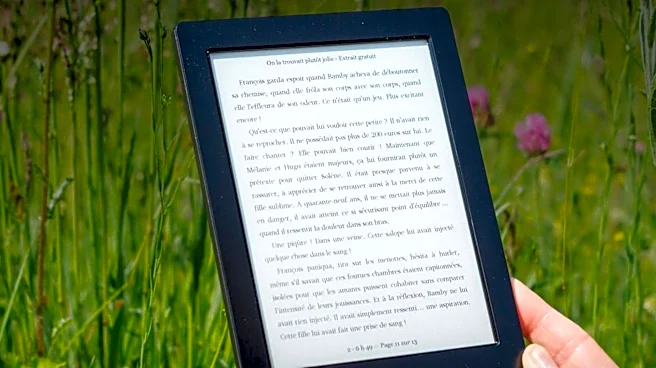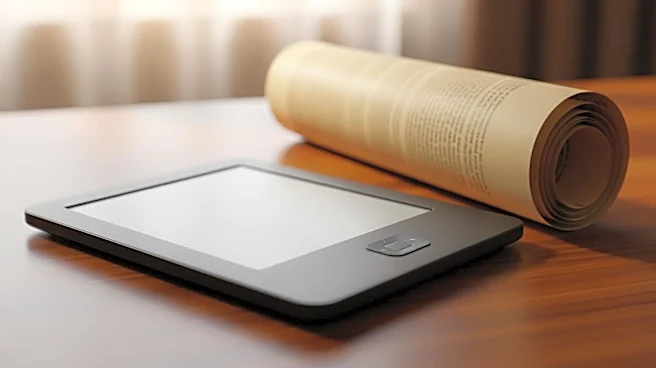






E-readers have transformed the way we consume literature, offering a portable and convenient alternative to traditional books. This article explores the historical development of e-readers, tracing their journey from early concepts to the sophisticated devices we use today. By examining key milestones and technological advancements, we can better understand how e-readers have evolved over time.
Early Concepts and Prototypes
The idea of an electronic reading device dates back to
1930 when Bob Brown envisioned a "simple reading machine" in his manifesto, *The Readies*. Brown imagined a device that could display text rapidly, allowing readers to consume novels in minutes. Although his concept was never realized, it laid the groundwork for future innovations in electronic reading.
In 1972, George Yevick and Adnan Wally invented the first e-reader, which featured a liquid-crystal display. Despite its potential, the device was overshadowed by the rise of personal computers and e-books, and it never reached commercialization. However, the invention marked a significant step toward the development of dedicated e-reading devices.
The Rise of Electronic Paper
The establishment of the E Ink Corporation in 1997 was a turning point in e-reader technology. E Ink developed electronic paper, a display technology that mimics the appearance of ink on paper. This innovation allowed for the creation of e-readers with longer battery life and better readability in various lighting conditions.
Sony's Data Discman and the Rocket eBook were among the first commercial e-readers, but they did not gain widespread acceptance. It wasn't until the release of the Sony Librie in 2004, the first e-reader to use electronic paper, that the technology began to gain traction. The Sony Reader followed in 2006, further popularizing the use of e-ink displays.
Modern E-Readers and Market Expansion
The launch of the Amazon Kindle in 2007 marked a significant milestone in the e-reader market. The Kindle's integration with the Kindle Store allowed users to purchase and download e-books directly to their devices, revolutionizing the way people accessed digital content. The device's success led to increased competition, with companies like Barnes & Noble and Kobo entering the market.
In recent years, e-readers have continued to evolve, with advancements in color e-ink technology and improved connectivity options. Despite a decline in dedicated e-reader sales due to the rise of multifunctional tablets, e-readers remain popular among avid readers who appreciate their portability and focus on reading.
The evolution of e-readers reflects a broader trend toward digital consumption of media. As technology continues to advance, e-readers will likely adapt to meet the changing needs of readers, ensuring their place in the future of reading.