


Charcoal has long been a favored medium for artists, offering a unique blend of versatility and expressiveness. This dry art medium, made from finely ground organic materials, is held together by a binder and used in various forms such as compressed sticks, vine, and willow charcoal. Each type of charcoal offers distinct characteristics, making it suitable for different artistic techniques and styles. In this article, we will explore the different forms of charcoal used in art and how
they contribute to the creative process.
Compressed Charcoal and Charcoal Pencils
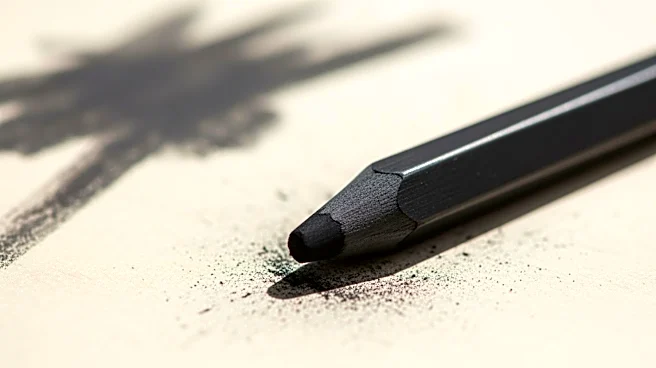
Compressed charcoal is a popular choice among artists for its ability to produce a wide range of shades. It is made by shaping charcoal into blocks or sticks, with the intensity of the shade determined by the hardness of the charcoal. The amount of gum or wax binders used during production affects the hardness, with softer charcoal producing intensely black markings and firmer charcoal leaving lighter marks. This versatility allows artists to create both bold, dark lines and subtle, light shading in their work.
Charcoal pencils, on the other hand, consist of compressed charcoal enclosed in a wooden jacket. These pencils are designed to mimic the properties of graphite pencils while maintaining the unique qualities of charcoal. They are often used for fine and detailed drawings, providing artists with the precision needed for intricate work. Additionally, the wooden casing helps keep the artist's hands clean, making charcoal pencils a practical choice for many.
Vine and Willow Charcoal
Vine and willow charcoal are both long, thin sticks of charcoal created by burning grape vines and willow sticks, respectively, in a kiln without air. Vine charcoal comes in shades of gray, while willow charcoal is darker in color. These types of charcoal are favored by artists for their removable properties, allowing for easy dusting and erasing. This makes them ideal for preliminary sketches or basic compositions, as artists can easily adjust their work without leaving permanent marks.
However, the same removable properties that make vine and willow charcoal suitable for sketching also make them less ideal for creating detailed images. The charcoal can easily flake off the paper, requiring the use of fixatives to solidify the drawing and prevent smudging.
Techniques and Applications
Charcoal can be applied to a variety of surfaces, from smooth to coarse, allowing artists to experiment with different textures and effects. Techniques such as hatching, rubbing, and blending are commonly used with charcoal to create depth and dimension in a drawing. Hatching involves placing thin, parallel lines close together to create shading, while rubbing involves pressing a sheet of paper against a surface and rubbing charcoal over it to capture the texture.
Blending is another popular technique, used to create smooth transitions between light and dark areas. Artists can blend charcoal using their fingers, paper blending stumps, or a soft piece of leather called a chamois. This technique is particularly effective for creating realistic shadows and gradients in a drawing.
Charcoal's unique properties and versatility make it a timeless medium for artists, offering endless possibilities for creative expression. Whether used for sketching, detailed drawings, or experimental techniques, charcoal continues to be a valuable tool in the artist's repertoire.