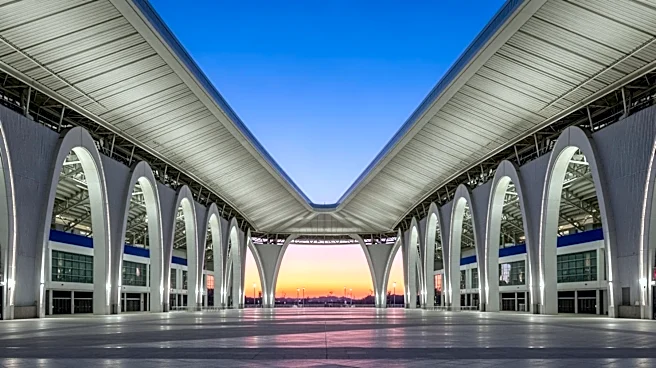

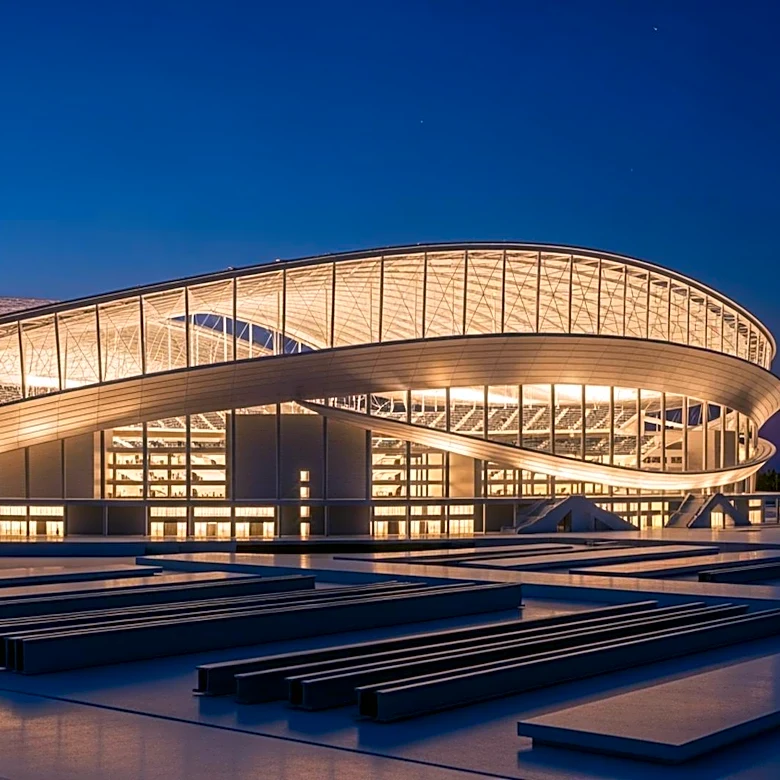

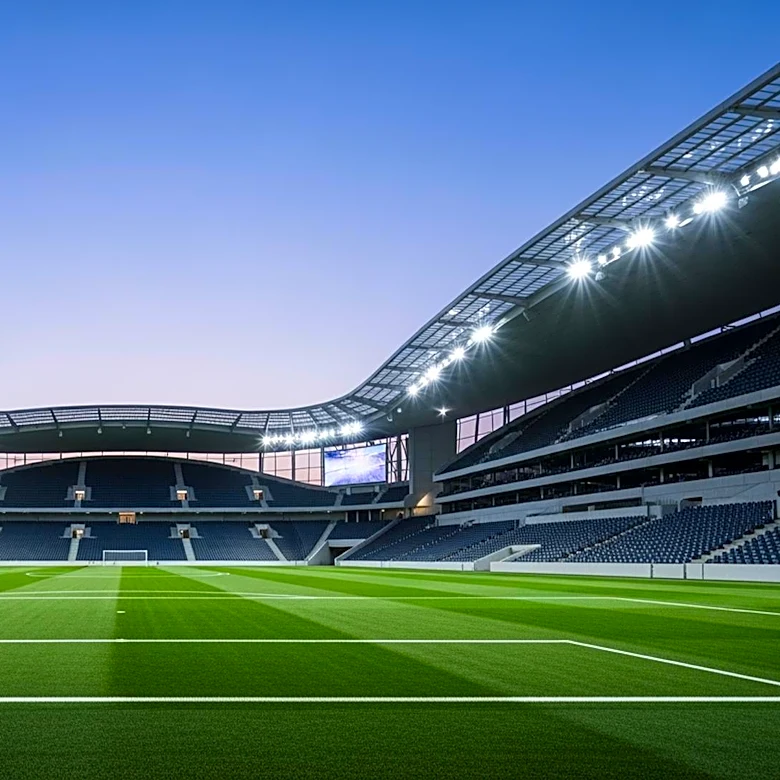



The Stade de France stands as a testament to France's rich sporting history and its ability to host world-class events. Located in Saint-Denis, just north of Paris, this iconic stadium has been the stage for numerous memorable moments in sports. With a seating capacity of over 80,000, it is the largest stadium in France and has played a pivotal role in the country's sporting landscape since its inauguration in 1998.
The Birth of a National Icon
The Stade de France was initially
constructed for the 1998 FIFA World Cup, a tournament that marked a significant milestone in French sports history. The decision to build a new national stadium was part of France's successful bid to host the World Cup, a move that promised to elevate the country's status on the global sporting stage. The stadium's construction began in 1995, and it was completed in a record time of 31 months, showcasing France's commitment to hosting the prestigious event.
Designed by architects Michel Macary, Aymeric Zublena, Michel Regembal, and Claude Constantini, the Stade de France was a marvel of modern engineering. Its elliptical roof, which covers the stands without obstructing the field, and its retractable seating for athletics events, were innovative features that set it apart from other stadiums of its time. The stadium's design not only catered to football but also accommodated rugby and athletics, making it a versatile venue for various sports.
A Stage for Historic Moments
Since its opening, the Stade de France has been the backdrop for numerous historic sporting events. The most notable of these was the 1998 FIFA World Cup final, where France triumphed over Brazil with a 3-0 victory, securing their first World Cup title. This victory was a moment of national pride and unity, celebrated by millions across the country.
Beyond football, the stadium has hosted the Rugby World Cup finals in 1999, 2007, and 2023, making it one of the few venues worldwide to host both a FIFA World Cup final and a Rugby World Cup final. Additionally, it has been the site for UEFA Champions League finals and the annual Meeting de Paris athletics event, further cementing its status as a premier sports venue.
Cultural and Economic Impact
The Stade de France has not only been a hub for sports but also a catalyst for economic and cultural development in the Saint-Denis area. The stadium's presence has spurred infrastructure improvements and increased tourism, contributing to the local economy. It has also hosted major concerts and cultural events, attracting international artists and audiences.
As France prepares to host the 2024 Summer Olympics, the Stade de France is set to play a central role once again. Its legacy as a symbol of French sporting excellence and its continued use for major events ensure that it remains a vital part of the country's cultural and sporting heritage.