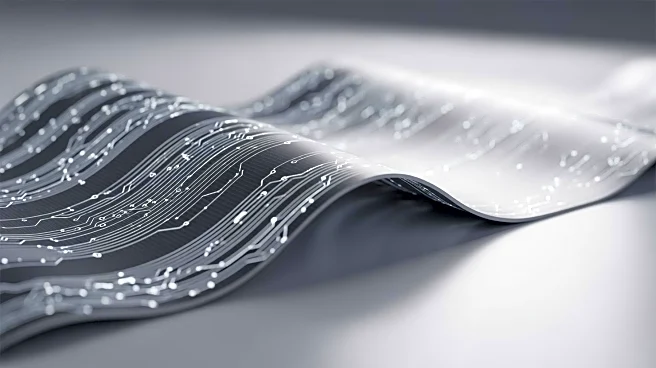

E-textiles, or electronic textiles, are transforming the healthcare industry by providing innovative solutions for patient monitoring and chronic disease management. These fabrics, embedded with electronic components,
offer non-invasive and real-time data collection, enabling healthcare providers to monitor patients more effectively. This article explores the impact of e-textiles on healthcare, highlighting their applications in patient monitoring and chronic disease management.
Enhancing Patient Monitoring with E-Textiles
E-textiles have revolutionized patient monitoring by integrating sensors directly into fabrics, allowing for continuous tracking of vital signs. These sensors can measure parameters such as heart rate, respiratory rate, and temperature, providing healthcare providers with real-time data. This non-invasive approach offers a comfortable alternative to traditional monitoring devices, which can be cumbersome and restrictive.
The integration of e-textiles into garments allows patients to wear them throughout their daily activities, ensuring continuous monitoring without disrupting their routines. This capability is particularly beneficial for patients with conditions that require constant observation, such as those recovering from surgery or managing chronic illnesses. By providing real-time data, e-textiles enable healthcare providers to detect potential health issues early, improving patient outcomes and reducing the need for frequent hospital visits.
Managing Chronic Diseases with E-Textiles
E-textiles are also playing a crucial role in the management of chronic diseases, such as diabetes. These fabrics can monitor biomarkers like glucose levels by analyzing the wearer's sweat, offering a less invasive alternative to blood tests. Sweat contains biochemical information that reflects metabolic changes in the body, making it an ideal medium for continuous health assessment.
The ability to monitor biomarkers in real-time allows patients to manage their conditions more effectively, reducing the risk of complications. For instance, e-textiles can alert patients to changes in their glucose levels, enabling them to take corrective action before their condition worsens. This proactive approach to disease management empowers patients to take control of their health, improving their quality of life.
The Future of E-Textiles in Healthcare
As technology continues to advance, the potential applications of e-textiles in healthcare are expanding. Researchers are exploring new materials and fabrication techniques to enhance the functionality and durability of e-textiles. These innovations could lead to the development of more sophisticated monitoring systems, capable of tracking a wider range of health parameters.
The integration of e-textiles into healthcare represents a significant step forward in patient care, offering new possibilities for monitoring and managing health conditions. As e-textiles become more widely adopted, they have the potential to transform the healthcare landscape, providing patients and healthcare providers with powerful tools for improving health outcomes.