
Mincing is a culinary technique that has evolved significantly over the centuries. Originally, it involved manually cutting ingredients into small, uniform pieces using knives or mezzalunas. The process
was labor-intensive and time-consuming, but it was essential for preparing various dishes. The invention of the meat grinder in the 1850s revolutionized mincing, making it faster and more efficient. This article explores the historical development of mincing techniques and the impact of the meat grinder on food preparation.
Early Mincing Techniques
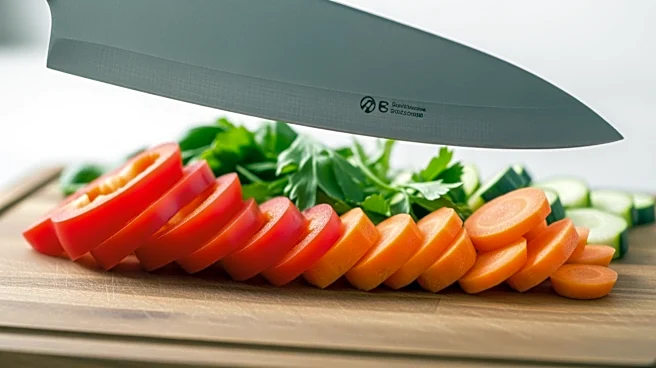
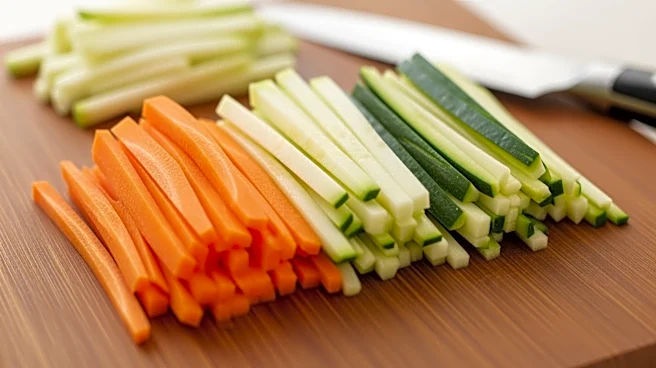
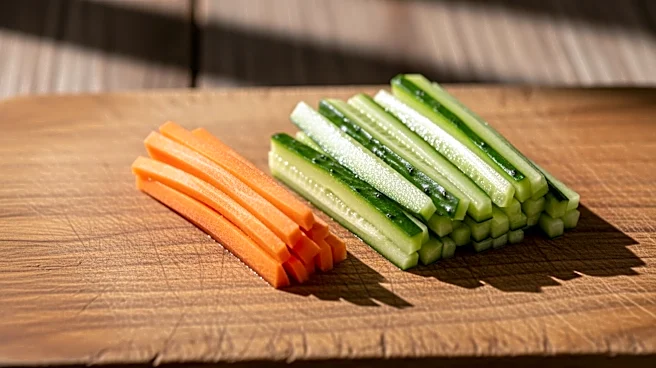
For centuries, mincing was a manual process that required skill and precision. Cooks used kitchen knives to finely chop ingredients, ensuring they were uniform in size. The mezzaluna, a multi-bladed, double-handled chopper, was also commonly used. Its name, Italian for "half moon," reflects its curved shape, which allowed for efficient chopping. In French, this tool is known as an hachoir. Despite the labor involved, these tools were essential for creating finely minced ingredients needed in various recipes.
The technique of mincing dates back to at least 1381, as evidenced by historical texts. The Anglo-Norman and Old French term "mincer" or "mincier" referred to cutting food into small pieces. This method was crucial for preparing dishes that required a delicate texture, such as pâtés and certain sauces. The precision of manual mincing ensured that flavors were evenly distributed throughout the dish.
The Invention of the Meat Grinder
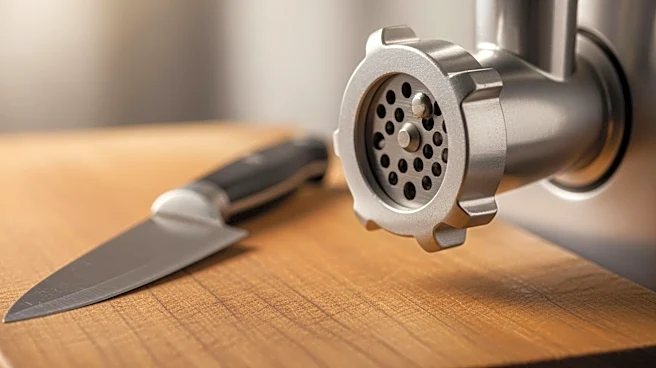
The meat grinder, invented in the 1850s, marked a significant turning point in the history of mincing. Described by Scientific American as a "cutting or mincing machine," it operated using cylinders with tapering grooves. The first mincers were hand-cranked, allowing cooks to feed meat or other foods into the top aperture. The food was then propelled through grinders and emerged as mince through a die at the outlet.
Electrically powered mincers have since become available, further enhancing the efficiency of the mincing process. Professional mincers offer dies of varying sizes, while most domestic models have two: one for coarse grinding and another for fine mincing. For particularly fine mincing, food may need to be processed twice. The meat grinder has transformed the culinary landscape, making it easier to prepare dishes that require finely minced ingredients.
Impact on Culinary Practices
The meat grinder's invention has had a lasting impact on culinary practices. It has simplified the preparation of dishes that require minced ingredients, such as hamburgers, meatballs, and various sauces. The ability to quickly and efficiently mince meat has expanded the possibilities for home cooks and professional chefs alike.
Despite the convenience of meat grinders, some food writers, like Elizabeth David, argue that manual mincing with a mezzaluna produces superior results. They claim that it preserves the juices and flavors of the meat better than machine mincing. Nonetheless, the meat grinder remains a staple in kitchens worldwide, valued for its speed and consistency.
The evolution of mincing techniques reflects broader changes in culinary practices and technology. From manual chopping to the invention of the meat grinder, each advancement has contributed to the rich tapestry of food preparation methods we enjoy today.