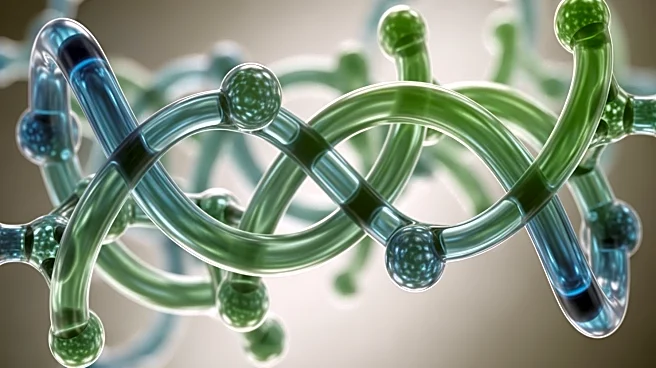







Peptides are fundamental components in the world of biochemistry, serving as the building blocks of proteins. These short chains of amino acids are linked by peptide bonds and play a crucial role in various biological functions. Understanding the structure and classification of peptides is essential for appreciating their significance in both natural and synthetic contexts.
Structure and Formation of Peptides
Peptides are composed of amino acids, which are organic compounds that combine
to form proteins. Each peptide consists of two or more amino acids linked by peptide bonds, which are formed through a condensation reaction between the carboxyl group of one amino acid and the amino group of another. This process results in a chain that can vary in length, from short oligopeptides to longer polypeptides.
The structure of peptides is typically linear, with an N-terminal (amine group) and a C-terminal (carboxyl group) at opposite ends. However, some peptides can form cyclic structures, which are a distinct class of peptides. The linear arrangement allows for a wide range of functional possibilities, as the sequence and composition of amino acids determine the peptide's properties and biological activity.
Classification of Peptides
Peptides are classified based on their length and function. Oligopeptides, which include dipeptides, tripeptides, and tetrapeptides, consist of fewer than twenty amino acids. Polypeptides are longer chains that can eventually form proteins if they exceed a molecular mass of 10,000 Da. The classification extends beyond length, as peptides are also grouped by their biological roles and sources.
For instance, peptides can be categorized into plant peptides, bacterial peptides, and venom peptides, among others. Each group has unique characteristics and functions, such as acting as hormones, signaling molecules, or antibiotics. This diversity highlights the versatility of peptides in various biological processes and their potential applications in medicine and biotechnology.
Peptides in Biological Systems
In biological systems, peptides often undergo post-translational modifications, which can alter their function and stability. These modifications include phosphorylation, glycosylation, and disulfide bond formation, among others. Such changes can enhance the peptide's activity or enable it to interact with other molecules more effectively.
Peptides also play a role in nonribosomal synthesis, where they are assembled by enzyme complexes rather than ribosomes. This process is common in unicellular organisms, plants, and fungi, leading to the production of complex cyclic structures. These nonribosomal peptides often serve as antibiotics or other bioactive compounds, demonstrating the importance of peptides in natural defense mechanisms.
Overall, peptides are indispensable in the study of biochemistry and molecular biology. Their diverse structures and functions make them a key area of research, with implications for understanding life at a molecular level and developing new therapeutic strategies.