
The 2003 United States Grand Prix, held at the Indianapolis Motor Speedway, was a thrilling event marked by unpredictable weather and strategic maneuvers. As the penultimate race of the 2003 Formula One
World Championship, it played a crucial role in shaping the championship standings. The race was notable for its changing weather conditions, which significantly influenced the strategies of the teams and drivers.
The Role of Weather
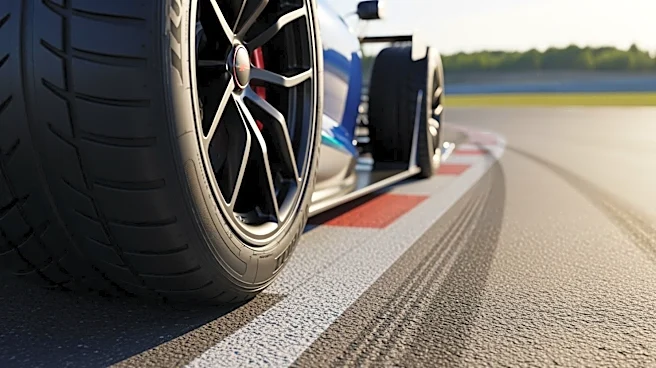
Weather played a pivotal role in the 2003 United States Grand Prix. The race began under cloudy skies, with a brief rain shower before the start, making the track damp. This led to a challenging start for the drivers, as they had to navigate the slippery conditions on dry-weather compound tires. As the race progressed, the weather continued to fluctuate, with intermittent rain showers affecting the track conditions.
The changing weather conditions forced teams to make strategic decisions regarding tire choices. Some drivers opted to switch to rain tires early in the race, while others gambled on the weather improving and stayed on dry tires. This added an extra layer of complexity to the race, as teams had to constantly monitor the weather and adjust their strategies accordingly.
Strategic Pit Stops
The unpredictable weather conditions led to a series of strategic pit stops throughout the race. Kimi Räikkönen, who started from pole position, was one of the first to pit for rain tires as the weather worsened. This decision allowed him to maintain a competitive position in the race, although he eventually finished second.
Michael Schumacher, who started seventh, capitalized on the changing conditions by making timely pit stops. His decision to switch to rain tires at the right moment allowed him to take the lead on lap 38, which he held for the remainder of the race. Schumacher's strategic pit stops were instrumental in securing his sixth victory of the season and extending his lead in the World Drivers' Championship.
Championship Implications
The outcome of the 2003 United States Grand Prix had significant implications for the championship standings. Michael Schumacher's victory increased his lead in the World Drivers' Championship to nine points over Kimi Räikkönen. This result put Schumacher in a strong position to secure his sixth world title in the final race of the season.
In the World Constructors' Championship, Ferrari regained the lead from Williams, with a three-point advantage. The race also saw Sauber's Heinz-Harald Frentzen achieve his first podium finish in three years, highlighting the impact of strategic decisions in the race.
Overall, the 2003 United States Grand Prix was a testament to the importance of strategy and adaptability in Formula One racing, as teams navigated the challenges posed by the ever-changing weather conditions.