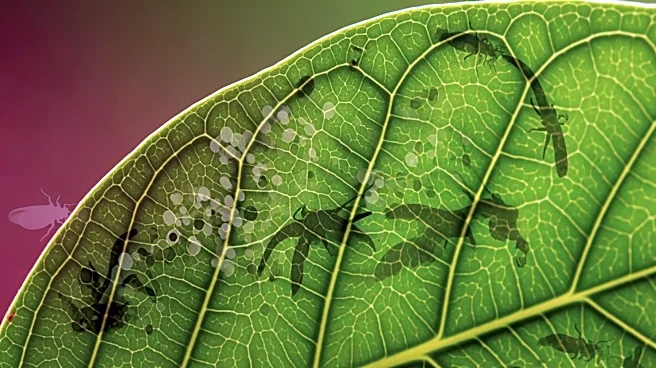






Biotic stress is a significant concern in agriculture, affecting plant health and crop yields. It arises from damage caused by living organisms such as bacteria, viruses, fungi, and insects. This type of stress is distinct from abiotic stress, which is caused by non-living factors like temperature and drought. Understanding biotic stress is crucial for developing effective agricultural strategies to ensure food security and sustainable farming practices.
The Nature of Biotic Stress
Biotic stress occurs when plants are damaged by other living organisms. These stressors include a wide range of organisms, from microscopic bacteria and viruses to larger insects and parasitic plants. The impact of these stressors can vary depending on the climate and the plant species' ability to resist them. For instance, fungi are a major cause of plant diseases, leading to significant agricultural losses.
The challenge in studying biotic stress lies in its complexity. Unlike abiotic stress, which can be more easily controlled in experimental settings, biotic stress involves dynamic interactions between plants and their attackers. This complexity makes it difficult to predict and manage the effects of biotic stress on crops.
Historical Impact of Biotic Stress
Throughout history, biotic stress has had profound effects on agriculture and human societies. One notable example is the potato blight in the 1840s, caused by an oomycete, which led to widespread famine in Ireland and other parts of Europe. Similarly, the grape phylloxera infestation in the 19th century devastated vineyards in France, leading to the Great French Wine Blight.
These historical events highlight the vulnerability of crops to biotic stress and the potential for significant economic and social consequences. They also underscore the importance of developing resilient crop varieties and effective management strategies to mitigate the impact of biotic stress.
Modern Challenges and Solutions
In modern agriculture, biotic stress continues to pose a threat to food security. The reliance on chemical pesticides to control pests and diseases has become unsustainable due to the development of resistance and negative impacts on biodiversity and human health. As a result, there is a growing need for alternative approaches to managing biotic stress.
One promising solution is the development of stress-tolerant crop varieties through breeding programs and genetic engineering. These crops are designed to withstand attacks from pests and diseases, reducing the need for chemical interventions. Additionally, advances in remote sensing technology allow for better monitoring of plant health and stress levels, enabling more precise and targeted management practices.
Overall, addressing biotic stress in agriculture requires a multifaceted approach that combines scientific research, technological innovation, and sustainable farming practices. By understanding and managing biotic stress, we can improve crop resilience and ensure a stable food supply for future generations.