

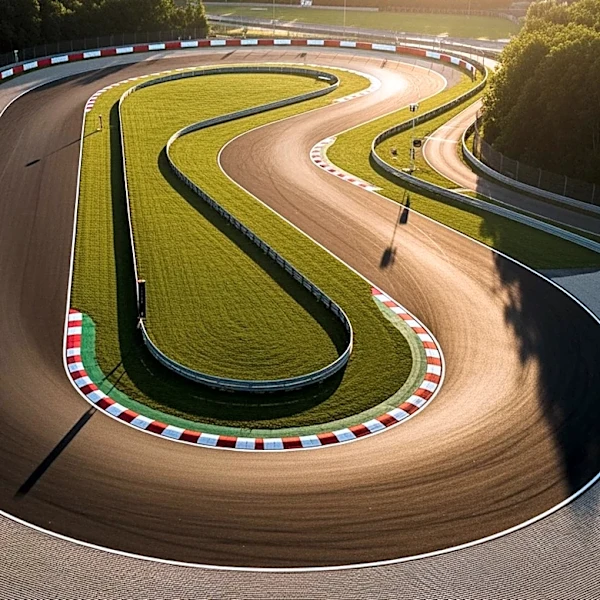

The Autodromo Internazionale Enzo e Dino Ferrari, located in Imola, Italy, is a renowned racing circuit with a rich history. Known for hosting Formula 1 races, the circuit has undergone significant changes since its inception. Originally named Autodromo Dino Ferrari, it was renamed in 1988 to honor both Ferrari's founder, Enzo Ferrari, and his son Dino. This article explores the historical evolution of the Imola Circuit, highlighting key developments
and modifications over the years.
Early Years and Establishment
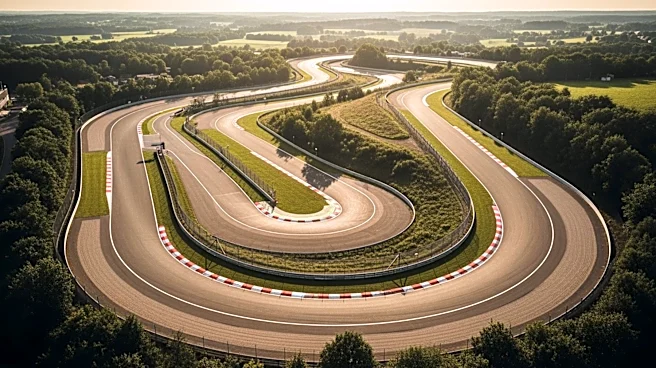
The Imola Circuit was opened in 1953, situated in the picturesque setting of the woods along the Santerno River, southeast of Bologna. Initially, the circuit was named after Dino Ferrari, Enzo Ferrari's son, who passed away at a young age. The circuit quickly gained recognition for its challenging layout and scenic location, attracting motorsport enthusiasts and racers alike.
In its early years, the Imola Circuit hosted various racing events, establishing itself as a prominent venue in the motorsport world. The circuit's reputation grew, and it became a favorite among drivers for its demanding turns and high-speed sections. The natural beauty of the surrounding area added to the allure of the track, making it a unique destination for racing fans.
Formula 1 Era and Major Incidents
From 1981 to 2006, the Imola Circuit was a fixture on the Formula 1 calendar, hosting the Grand Prix of San Marino. This period marked a significant era in the circuit's history, with numerous memorable races and dramatic incidents. One of the most notable events occurred in 1982, involving Gilles Villeneuve and Didier Pironi. Despite team orders to maintain positions, Pironi overtook Villeneuve in the final lap, leading to a bitter fallout between the teammates.
The circuit also witnessed tragic accidents, including the deaths of Roland Ratzenberger and Ayrton Senna during the 1994 Grand Prix. These incidents prompted safety modifications to the track, including the addition of a chicane in the notorious Tamburello corner. The changes aimed to enhance driver safety and prevent further tragedies, reflecting the circuit's commitment to evolving with the sport's demands.
Recent Developments and Renovations
In recent years, the Imola Circuit has undergone further renovations to maintain its status as a premier racing venue. In 2007, the Variante Bassa chicane was removed, and the pit boxes were completely revamped. These updates were part of a broader effort to modernize the circuit and improve facilities for teams and spectators.
The circuit's return to the Formula 1 calendar in 2020 marked a new chapter in its storied history. The renovations and updates have ensured that the Imola Circuit remains a competitive and safe environment for racing, while preserving its unique character and historical significance. As the circuit continues to host world-class events, it stands as a testament to the enduring legacy of motorsport in Italy.