




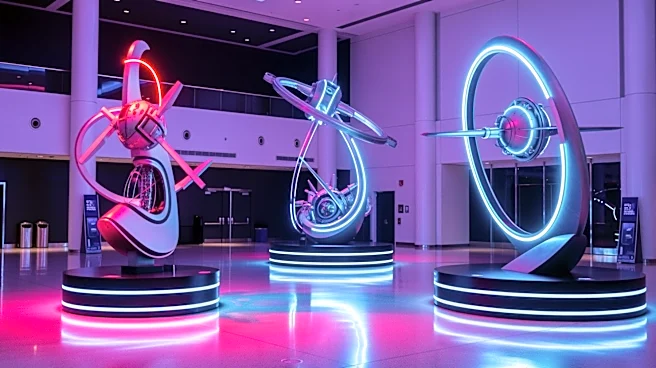

Steampunk is a fascinating genre that blends the aesthetics of the Victorian era with imaginative, steam-powered technology. Emerging in the 1980s, it has grown from a niche literary style into a broad cultural phenomenon. This article explores the historical development of steampunk, its literary roots, and its expansion into various cultural domains.
Literary Origins
Steampunk's roots can be traced back to the scientific romances and fantasies of the 19th century.
Authors like H.G. Wells and Jules Verne crafted stories that combined the technological advancements of their time with imaginative elements. These works laid the groundwork for what would later be recognized as steampunk. The term itself was coined in the late 1980s as a playful nod to the cyberpunk genre, highlighting the steam-powered technology central to its narratives.
The genre gained momentum with the publication of novels by authors such as Tim Powers, James P. Blaylock, and K.W. Jeter. These writers drew inspiration from the Victorian era, creating alternate histories where steam technology advanced in unexpected ways. Their works captured the imagination of readers, establishing steampunk as a distinct literary genre.
Cultural Expansion
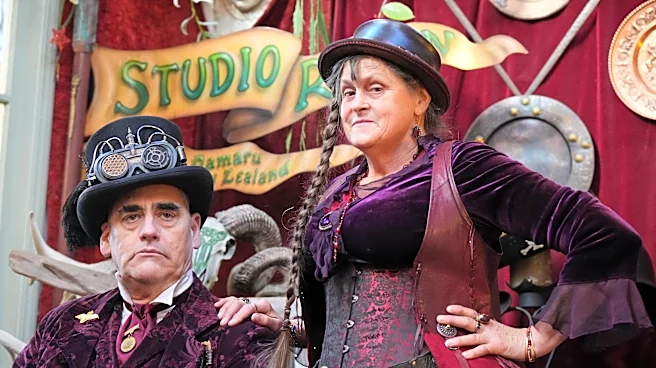
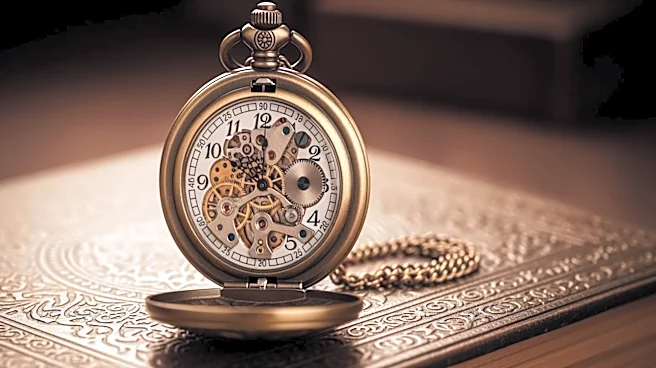
As steampunk gained popularity, it expanded beyond literature into other cultural domains. The genre's aesthetic, characterized by polished brass, iron, and wood, began to influence fashion, art, and design. Steampunk fashion, for example, combines Victorian clothing styles with modern sensibilities, often incorporating gadgets and accessories reminiscent of the era's technological innovations.
The genre's influence can also be seen in film, television, and video games. Movies like "The League of Extraordinary Gentlemen" and "Wild Wild West" brought steampunk visuals to the big screen, while video games like "Bioshock Infinite" and "Mortal Engines" offered interactive experiences set in steampunk-inspired worlds. This cross-media presence has helped steampunk reach a wider audience, solidifying its place in popular culture.
Steampunk as a Subculture
Beyond its aesthetic appeal, steampunk has evolved into a vibrant subculture. Enthusiasts gather at conventions and events, dressed in elaborate costumes that reflect the genre's unique blend of history and fantasy. These gatherings provide a space for fans to celebrate their shared interests and explore the creative possibilities of steampunk.
The subculture also embraces a DIY ethos, with many participants creating their own costumes, accessories, and even home decor. This hands-on approach reflects the genre's emphasis on craftsmanship and innovation, echoing the spirit of the Victorian era's inventors and explorers.
In conclusion, steampunk has grown from its literary origins into a multifaceted cultural phenomenon. Its blend of historical aesthetics and imaginative technology continues to captivate audiences, inspiring creativity and fostering a sense of community among its enthusiasts.