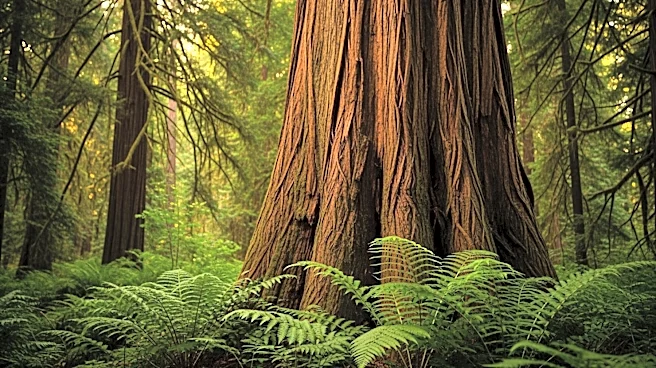






Congaree National Park, located in South Carolina, is a vital ecological haven that preserves one of the largest tracts of old growth bottomland hardwood forest in the United States. The park's unique environment supports a diverse array of plant and animal species, making it an important area for conservation and scientific study. Its designation as a UNESCO biosphere reserve underscores its global ecological significance.
Biodiversity and Champion Trees
The park is renowned for
its rich biodiversity, which includes a variety of plant and animal species. It is home to one of the largest concentrations of champion trees in the world, with the tallest known examples of 15 species. These include a 167-foot loblolly pine and a 157-foot sweetgum, contributing to one of the highest temperate deciduous forest canopies globally.
The park's ecosystem supports a wide range of wildlife, including large animals such as bobcats, deer, and otters. Its waters are inhabited by amphibians, turtles, and fish like bowfin and catfish. This diverse array of species makes Congaree a critical area for ecological research and conservation efforts.
Floodplain Forest and Wetland Ecosystem
Congaree National Park is often mistakenly referred to as a swamp, but it is actually a bottomland forest subject to periodic flooding. This floodplain forest plays a crucial role in maintaining the health of the ecosystem. The periodic inundation by floodwaters helps sustain the rich biodiversity and supports the growth of the park's champion trees.
The park's wetland ecosystem is vital for water filtration and flood control. It acts as a natural sponge, absorbing excess water and reducing the impact of flooding in surrounding areas. This ecological function is essential for maintaining the balance of the local environment and protecting nearby communities.
Conservation and Research Efforts
Congaree National Park's ecological significance has led to various conservation and research initiatives. Its designation as a UNESCO biosphere reserve highlights its importance as a site for scientific study and environmental education. Researchers and conservationists work to protect the park's unique ecosystem and ensure its preservation for future generations.
The park's diverse habitats provide opportunities for ecological research, allowing scientists to study the interactions between species and their environment. These efforts contribute to a better understanding of the park's ecological dynamics and inform conservation strategies to protect its biodiversity.