



Functional training is a fitness approach that emphasizes exercises mimicking real-life activities to improve overall body coordination, stability, and strength. This method of training is designed to enhance the body's ability to perform everyday movements with ease and efficiency. By engaging multiple muscles and joints simultaneously, functional training offers a comprehensive workout that is both practical and effective.
Core Exercises and Their Benefits
At the heart of functional
training are core exercises such as squats, lunges, push-ups, and planks. These exercises are fundamental because they mimic movements we perform in daily life, such as bending, lifting, and reaching. By incorporating these exercises into a fitness routine, individuals can improve their balance, flexibility, and strength, reducing the risk of injury and enhancing overall physical performance.
Squats, for example, are excellent for building lower body strength and improving mobility. Lunges target the legs and core, enhancing stability and coordination. Push-ups are a versatile exercise that strengthens the upper body and core, while planks are effective for building core endurance and stability. Together, these exercises form the foundation of a functional training program, providing a well-rounded workout that targets multiple muscle groups.
Tools of the Trade
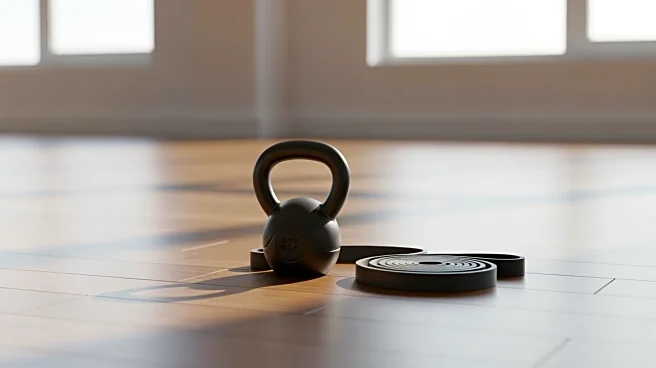
Functional training often incorporates a variety of tools to enhance the effectiveness of workouts. Kettlebells, resistance bands, and medicine balls are commonly used to add resistance and challenge to exercises. These tools allow for a wide range of movements, making workouts more dynamic and engaging.
Kettlebells, for instance, are ideal for performing swings, snatches, and presses, which engage the entire body and improve cardiovascular fitness. Resistance bands offer adjustable resistance, making them suitable for all fitness levels. They are particularly useful for exercises that target smaller muscle groups and improve flexibility. Medicine balls add an element of power and explosiveness to workouts, making them perfect for exercises like slams and throws.
Adapting Functional Training to Individual Needs
One of the key advantages of functional training is its adaptability. Workouts can be tailored to suit individual fitness levels and goals, making it accessible to everyone from beginners to seasoned athletes. Exercises can be modified to increase or decrease intensity, ensuring that each workout is challenging yet achievable.
Functional training is also time-efficient, as it targets multiple muscle groups simultaneously. This makes it an ideal choice for those with busy schedules who want to maximize their workout time. By focusing on movements that enhance everyday fitness, functional training provides a practical and effective way to improve overall health and well-being.