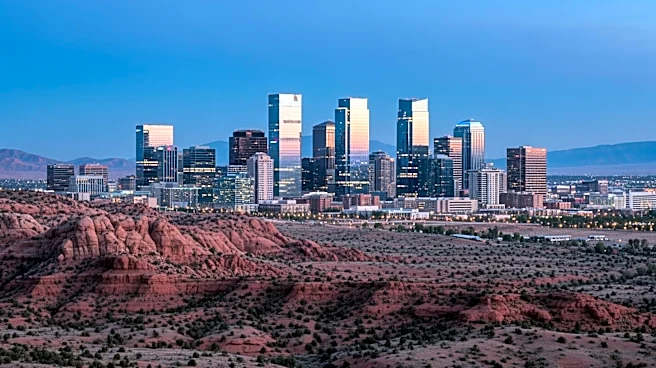

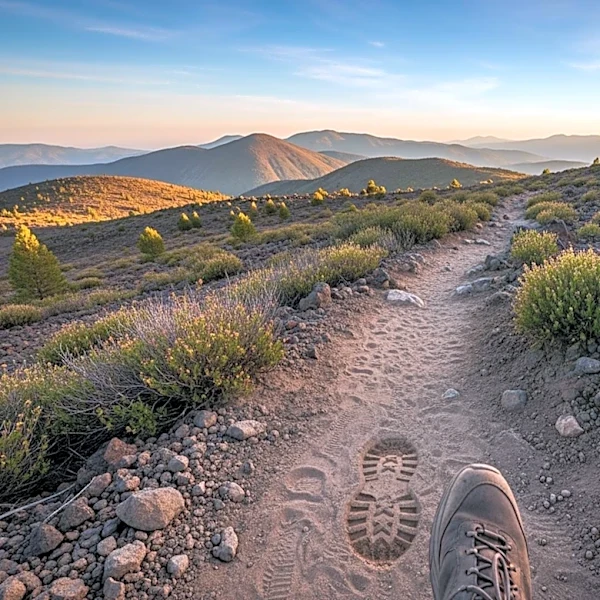

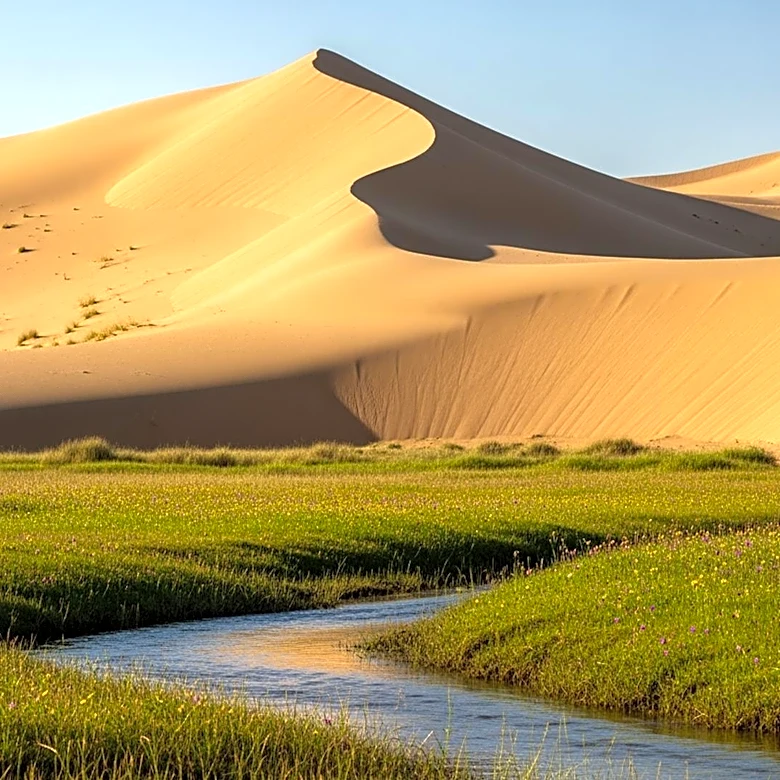



Utah's diverse geography and rapid urbanization present a unique blend of natural beauty and modern development. This article examines the state's geographic features and the urbanization trends along the Wasatch Front, where the majority of Utah's population resides.
The Diverse Geography of Utah
Utah is known for its stunning and varied landscapes, ranging from arid deserts to lush mountain ranges. The state is part of the Mountain West region of the United States and is bordered
by Arizona, Colorado, Wyoming, Idaho, and Nevada. It also touches a corner of New Mexico. This geographic diversity contributes to Utah's appeal as a major tourist destination for outdoor recreation.
The Wasatch Range, a prominent mountain range running north to south through the state, is a defining feature of Utah's geography. It provides a backdrop for the urban areas along the Wasatch Front and offers numerous recreational opportunities, including skiing, hiking, and mountain biking. The Great Salt Lake, one of the largest saltwater lakes in the Western Hemisphere, is another significant geographic feature, contributing to the state's unique ecosystem.
Urbanization Along the Wasatch Front
Approximately 80% of Utah's population lives along the Wasatch Front, a metropolitan region centered on Salt Lake City. This area is one of the most urbanized in the United States, with vast expanses of the state remaining nearly uninhabited. The concentration of the population in this region is due to the availability of resources, economic opportunities, and the natural beauty of the surrounding landscape.
Salt Lake City, the state capital and largest city, serves as the cultural and economic hub of Utah. The city's strategic location along the Wasatch Front has made it a center for transportation, information technology, and government services. The rapid growth of the region has led to increased urban development, with new residential and commercial areas emerging to accommodate the growing population.
Challenges and Opportunities
The rapid urbanization of the Wasatch Front presents both challenges and opportunities for Utah. The concentration of the population in this region has led to issues such as traffic congestion, air quality concerns, and the need for sustainable development. However, it also offers opportunities for economic growth and innovation, as the region attracts businesses and talent from across the country.
Efforts to address these challenges include investments in public transportation, such as the expansion of the TRAX light rail system, and initiatives to promote sustainable development practices. These efforts aim to balance the needs of a growing population with the preservation of Utah's natural beauty and resources.
In summary, Utah's geography and urbanization along the Wasatch Front create a dynamic environment that continues to evolve. The state's natural landscapes and urban centers offer a unique blend of opportunities and challenges, shaping Utah's identity and future.