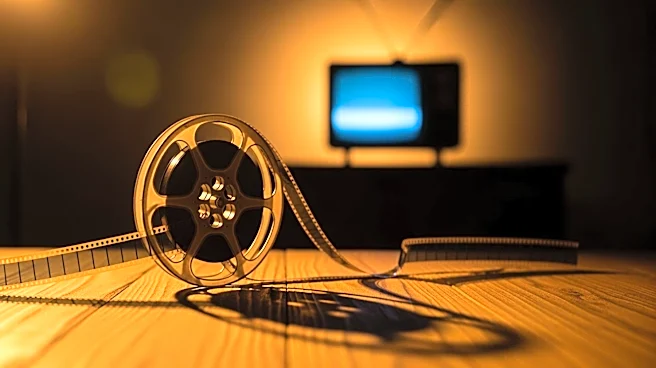







'Gone with the Wind,' the iconic 1939 film, has had a significant presence on television, marking milestones in broadcast history. Its journey from the silver screen to the small screen reflects both its enduring popularity and the evolving landscape of television broadcasting. This article delves into the film's television premieres, its record-breaking viewership, and the controversies that have accompanied its broadcasts.
Premiering on Television
'Gone with the Wind' made
its television debut on the HBO cable network on June 11, 1976. This marked a significant moment as the film was broadcast fourteen times throughout the month, reaching a wide audience. The film's transition to television was a testament to its lasting appeal and the growing importance of cable networks in bringing classic films to new audiences. The HBO premiere was followed by its network television debut on NBC in November of the same year. NBC paid a hefty $5 million for a one-time airing, which was split into two parts over successive evenings.
The NBC broadcast was a landmark event, becoming the highest-rated television program ever presented on a single network at that time. It was watched by 47.5 percent of American households and 65 percent of television viewers, setting a record for the highest-rated film to air on television. This success underscored the film's enduring popularity and its ability to captivate audiences decades after its initial release.
Controversies and Debates
Despite its success, 'Gone with the Wind' has not been without controversy, particularly regarding its depiction of race and slavery. In 2020, the film was temporarily removed from HBO Max following an op-ed by screenwriter John Ridley, who criticized the film for perpetuating racial stereotypes. This decision sparked a debate about censorship and the responsibility of media platforms in addressing historical inaccuracies and racial prejudices.
Critics argued that removing the film was an act of censorship, while others saw it as a necessary step in acknowledging and addressing the film's problematic elements. The controversy highlighted the ongoing discussions about race and representation in media, and the role of classic films in contemporary society.
Reintroduction and Legacy
Following the debate, 'Gone with the Wind' was reintroduced to HBO Max with a new introduction by Jacqueline Stewart, a film historian. Stewart's introduction provided context for the film's portrayal of race, describing it as a "prime text for examining expressions of white supremacy in popular culture." She emphasized the importance of keeping the film in circulation for analysis and discussion, rather than erasing it from history.
The television journey of 'Gone with the Wind' reflects its complex legacy. While it remains a beloved classic, it also serves as a reminder of the need to critically engage with historical narratives and their impact on contemporary culture. As television continues to evolve, the film's presence on the small screen will likely continue to spark conversations about its place in American history and media.