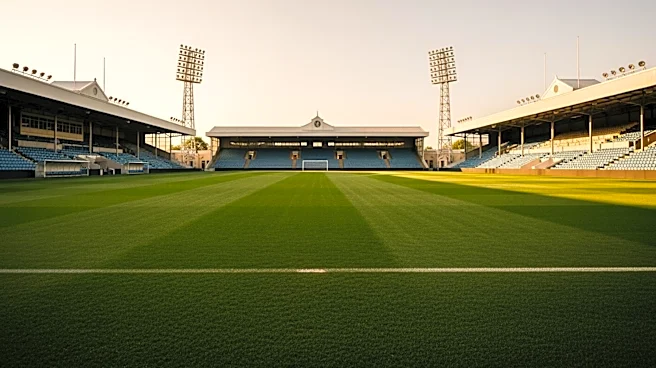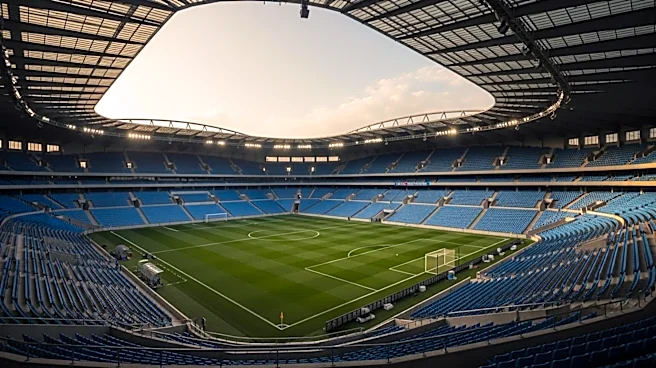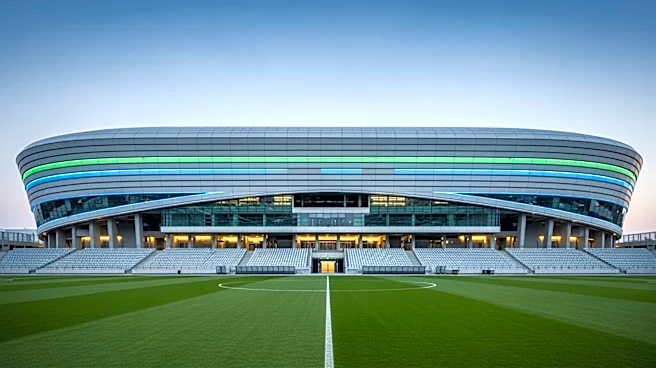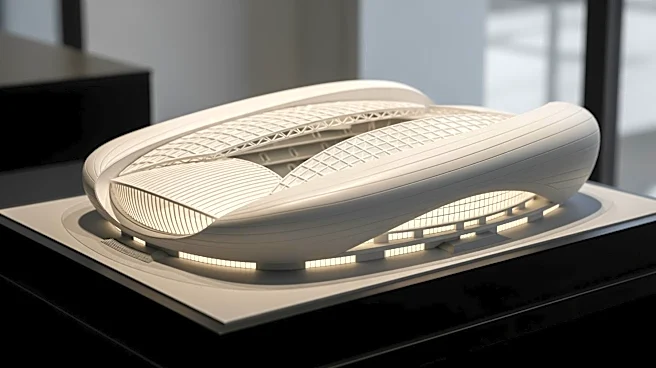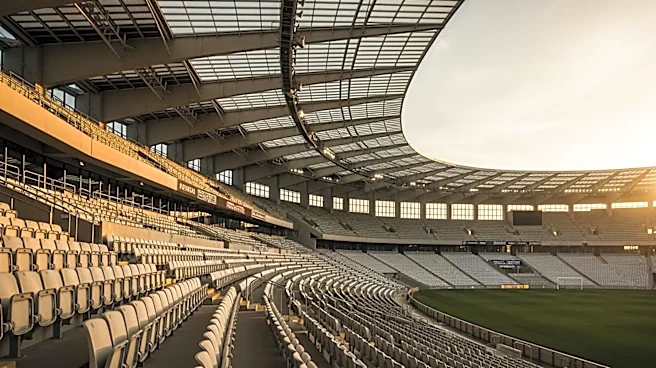



Stadio Artemio Franchi in Florence, Italy, is not just a football stadium; it is a testament to the architectural brilliance of the 20th century. Designed by the renowned architect Pier Luigi Nervi, the stadium stands as a significant example of modernist architecture. This article delves into the architectural features and historical significance of this iconic structure.
Design and Construction
The Stadio Artemio Franchi was officially opened on September 13, 1931, although
it was not fully completed until 1932. The stadium was initially named Stadio Giovanni Berta, after a Florentine fascist, but it was later renamed in 1991 to honor Artemio Franchi, a former president of the Italian Football Federation. The design of the stadium is a remarkable example of the use of reinforced concrete, a material that was innovative at the time.
One of the most striking features of the stadium is the 70-meter tower known as the "Tower of Marathon." This tower is not only a visual centerpiece but also serves a functional purpose, bearing the stadium's flagstaff. The spiral ramps around the base of the tower provide access from the ground floor to the upper levels, showcasing Nervi's ingenuity in combining form and function.
Architectural Significance
Pier Luigi Nervi, the architect behind the Stadio Artemio Franchi, is celebrated for his contributions to modern architecture. His work on the stadium is considered one of the most relevant examples of 20th-century architecture in Florence. Nervi's use of reinforced concrete allowed for the creation of a structure that was both aesthetically pleasing and structurally sound.
The stadium's design reflects Nervi's ability to blend engineering with artistry. The use of concrete not only provided durability but also allowed for the creation of sweeping curves and open spaces that give the stadium its unique character. This approach to design has influenced countless architects and engineers, making the Stadio Artemio Franchi a landmark in architectural history.
Legacy and Influence
The architectural significance of Stadio Artemio Franchi extends beyond its physical structure. It has hosted numerous important events, including matches during the 1934 FIFA World Cup and the 1990 FIFA World Cup. These events have cemented the stadium's place in the history of sports and architecture.
The stadium's design has also influenced the construction of other sports venues around the world. Its innovative use of materials and design principles have been studied and emulated by architects seeking to create functional yet beautiful structures. As a result, Stadio Artemio Franchi remains a source of inspiration and a symbol of architectural excellence.
In conclusion, Stadio Artemio Franchi is more than just a football stadium; it is a masterpiece of modern architecture. Its design and construction reflect the genius of Pier Luigi Nervi and continue to inspire architects and engineers worldwide.