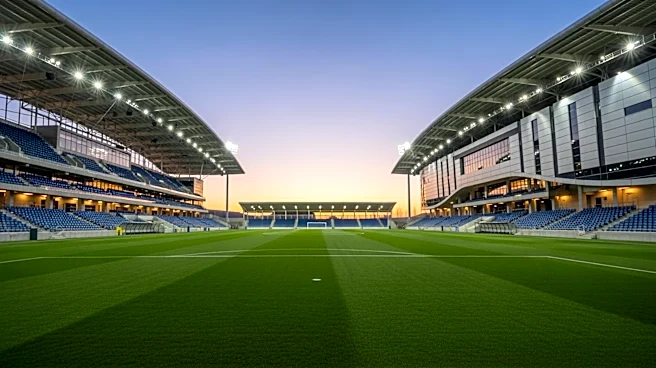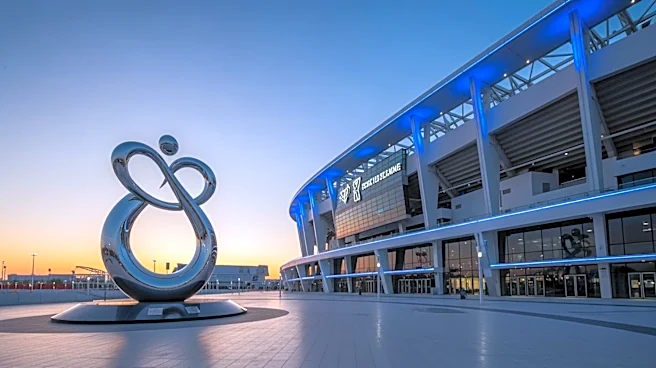








Itaipava Arena Pernambuco, located in São Lourenço da Mata, Brazil, is more than just a football stadium. Built for the 2014 FIFA World Cup, this venue has a seating capacity of 46,154 and is owned by Novonor. While it is primarily known for hosting football matches, the arena's design and facilities allow it to serve a variety of purposes, making it a significant cultural and economic asset to the region.
A Venue for Major Events
The Itaipava Arena Pernambuco was constructed
with versatility in mind. Although it was initially built to host matches for the 2014 FIFA World Cup, its design allows it to accommodate a wide range of events. The stadium features 102 suites, 1,800 business seats, and 2,700 premium seats, making it suitable for hosting not only sports events but also concerts, conventions, and large-scale exhibitions. This adaptability ensures that the arena remains a bustling hub of activity even outside the football season.
In addition to its seating arrangements, the arena boasts 4,700 parking spaces, with 800 of them covered, facilitating easy access for large crowds. This infrastructure supports the arena's role as a key venue for various events, attracting visitors from across the region and contributing to the local economy.
A Catalyst for Urban Development
The construction of Itaipava Arena Pernambuco was part of a broader urban development plan aimed at revitalizing the western region of the Recife metropolitan area. The stadium's presence has spurred the creation of a new urban center around it, designed to capitalize on the increased activity and investment in the area. This development includes residential, commercial, and recreational spaces, transforming the region into a vibrant community.
The arena's impact on urban development highlights its significance beyond sports. By attracting events and visitors, it has become a catalyst for economic growth and urban renewal, providing new opportunities for local businesses and residents.
Sustainable Energy Initiatives
Sustainability is a key feature of Itaipava Arena Pernambuco. The stadium is equipped with solar panels that generate enough energy to power approximately 6,000 households. This commitment to renewable energy not only reduces the arena's carbon footprint but also sets an example for other large venues in Brazil and beyond.
The use of solar energy aligns with global trends towards sustainability and demonstrates the arena's role as a forward-thinking facility. By integrating green technology, the arena not only supports environmental goals but also enhances its appeal as a modern, eco-friendly venue.
In conclusion, Itaipava Arena Pernambuco is a multifaceted facility that extends its influence beyond the realm of sports. Its ability to host diverse events, drive urban development, and promote sustainability makes it a vital asset to the region, ensuring its relevance and utility for years to come.