






Haleakalā National Park, located on the island of Maui, Hawaii, is a treasure trove of natural wonders. Covering over 33,000 acres, the park is home to the dormant Haleakalā Volcano and offers a diverse range of landscapes and ecosystems. Visitors are drawn to its unique geological features, diverse flora and fauna, and breathtaking views. This article delves into the natural attractions that make Haleakalā National Park a must-visit destination.
The Majestic Haleakalā Crater
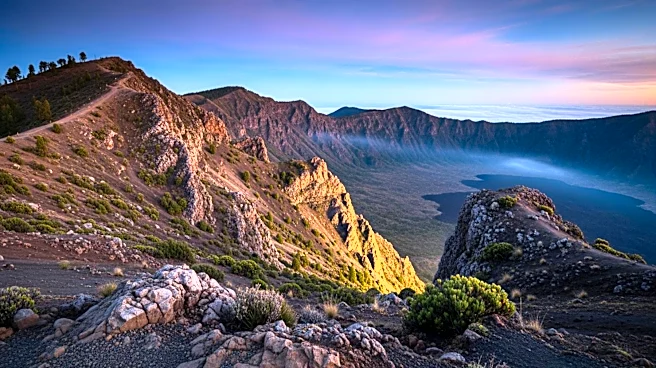
One of the park's most iconic features is the Haleakalā Crater, a massive erosional valley that spans nearly seven miles across. Despite its name, the crater is not volcanic in origin but was formed by the merging of two large erosional valleys. The interior of the crater is dotted with volcanic features, including large cinder cones, which add to its otherworldly landscape. Visitors can explore the crater via two main trails: the Halemau'u and Sliding Sands trails, both of which are designated as National Recreation Trails.
The summit area of the park, accessible by a winding road, offers stunning views of the crater and the surrounding landscape. At the summit, visitors can find a simple observatory and a visitor center with parking and restrooms. The summit is a popular spot for watching the sunrise and sunset, providing a serene and awe-inspiring experience.
Diverse Flora and Fauna
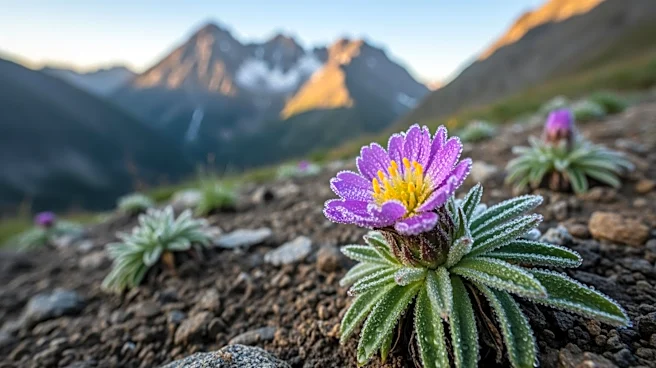
Haleakalā National Park is home to a rich diversity of plant and animal life, including many species that are found nowhere else on Earth. The park's unique ecosystems range from tropical rainforests at lower elevations to alpine deserts near the summit. One of the park's most famous plant species is the Haleakalā silversword, a rare and fragile plant that grows only on the slopes of Haleakalā.
The park is also a haven for birdwatchers, as it is home to several endemic Hawaiian Honeycreepers, including the critically endangered Kiwikiu. The nēnē, or Hawaiian goose, can also be seen in the park, thanks to successful reintroduction efforts. The park's diverse habitats support a wide range of invertebrates, including insects, spiders, and snails, many of which are unique to the area.
The Kipahulu Area and Its Hidden Gems
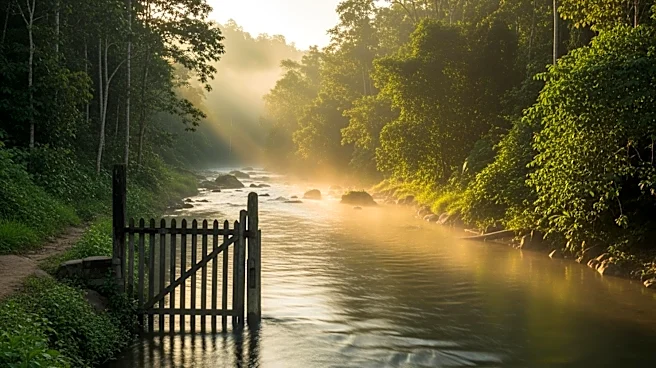
The Kipahulu area of Haleakalā National Park offers a different experience from the summit region. Located on the windward coast of Maui, this section of the park is known for its lush rainforests and cascading waterfalls. Visitors can explore the area by hiking the trails that lead to the base of Waimoku Falls or by swimming in the pools along Palikea Stream.
The Kipahulu Valley Biological Reserve, located within this section of the park, is closed to the public to protect its fragile ecosystems. However, the surrounding areas offer plenty of opportunities for exploration and adventure. The diverse landscapes and rich biodiversity of the Kipahulu area make it a captivating destination for nature lovers and outdoor enthusiasts alike.