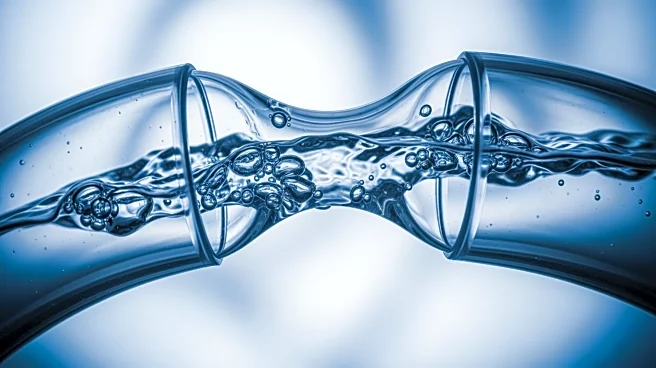




The Venturi effect, a principle of fluid dynamics, is not just a theoretical concept but a practical tool used in various everyday devices. This effect describes how fluid pressure decreases as it speeds up through a narrower section of a tube, and it is applied in technologies ranging from carburetors to wine aerators. Understanding how the Venturi effect works in these devices can provide insights into their efficiency and functionality.
Carburetors: Mixing Air and Fuel Efficiently
One of the
most common applications of the Venturi effect is in carburetors, which are used in gasoline internal combustion engines to mix air and fuel. The Venturi effect allows carburetors to control the air-fuel mixture by utilizing the pressure drop in the Venturi tube. As air flows through the narrow section of the carburetor, its velocity increases, causing a decrease in pressure. This pressure drop draws fuel into the airstream, ensuring an optimal mixture for combustion.
Carburetors have been largely replaced by fuel injection systems in modern vehicles, but they are still used in small engines like lawnmowers and motorcycles. The Venturi effect remains a key principle in the design of carburetors, highlighting its importance in automotive engineering. By understanding the Venturi effect, engineers can design more efficient carburetors that enhance engine performance.
Wine Aerators: Enhancing Flavor Through Fluid Dynamics
Wine aerators are another example of the Venturi effect in action. These devices are used to enhance the flavor of wine by increasing its exposure to air. As wine flows through the aerator, it passes through a narrow section where the Venturi effect causes a drop in pressure. This pressure drop allows air to mix with the wine, releasing its aromas and improving its taste.
The Venturi effect in wine aerators demonstrates how fluid dynamics can be applied to everyday objects to improve their functionality. By leveraging the principles of fluid flow, wine aerators can transform the drinking experience, making them a popular tool among wine enthusiasts. The Venturi effect is a testament to the versatility of fluid dynamics in enhancing everyday experiences.
Venturi Scrubbers: Capturing Pollutants Efficiently
Venturi scrubbers are used in air pollution control to remove particles and gases from industrial exhaust streams. These devices utilize the Venturi effect to create a high-velocity gas stream that atomizes the scrubbing liquid, effectively capturing pollutants. The pressure drop in the Venturi tube allows the scrubber to efficiently remove contaminants, making it a valuable tool in environmental protection.
The application of the Venturi effect in scrubbers highlights its importance in industrial processes. By understanding the principles of fluid dynamics, engineers can design scrubbers that optimize pollutant removal, contributing to cleaner air and a healthier environment. The Venturi effect continues to be a key principle in the development of technologies that address environmental challenges.