





Dyes have played a significant role in human culture and history, serving not only as a means of coloring textiles but also as symbols of status, identity, and tradition. From ancient civilizations to modern societies, dyes have held cultural significance across the world. This article explores the cultural and symbolic importance of dyes in various historical and cultural contexts.
Ancient Symbolism
In ancient times, dyes were often associated with wealth and status.
The rarity and cost of certain dyes made them valuable commodities, reserved for the elite and powerful. Tyrian purple, for example, was a highly prized dye in ancient Phoenicia, extracted from sea snails. Its vibrant hue and labor-intensive production process made it a symbol of royalty and power, worn by emperors and high-ranking officials.
Similarly, in ancient China, the use of specific dyes was regulated by the state, with certain colors reserved for the emperor and his court. Yellow, derived from the plant turmeric, was considered the color of the emperor and was used in imperial garments and decorations. The cultural significance of dyes in ancient societies reflects their role as markers of social hierarchy and authority.
Dyes in Traditional Practices
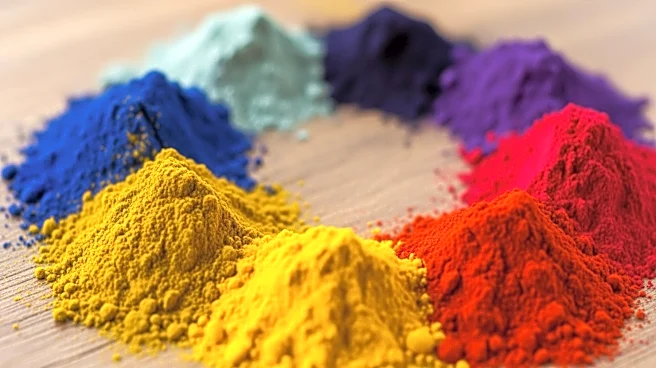
Dyes have also played a central role in traditional practices and rituals across cultures. In India, the festival of Holi is celebrated with the throwing of colored powders, symbolizing the arrival of spring and the triumph of good over evil. The vibrant colors used in Holi are derived from natural dyes, such as turmeric and indigo, and hold cultural and religious significance.
In Africa, traditional textile dyeing techniques have been passed down through generations, with each region having its own unique methods and patterns. The use of indigo dye in West Africa, for example, is a centuries-old tradition, with the deep blue color symbolizing wealth and prosperity. These traditional dyeing practices are not only a form of artistic expression but also a means of preserving cultural heritage.
Modern Cultural Impact
In contemporary society, dyes continue to hold cultural significance, influencing fashion, art, and identity. The resurgence of natural dyes in the fashion industry reflects a growing interest in sustainable and eco-friendly practices. Designers and artisans are exploring traditional dyeing techniques to create unique and culturally inspired garments.
Dyes also play a role in cultural identity and expression. In Japan, the art of shibori, a traditional resist-dyeing technique, is celebrated for its intricate patterns and deep cultural roots. Similarly, in the Navajo Nation, natural dyes are used in the creation of traditional textiles, reflecting the cultural heritage and identity of the Navajo people.
The cultural significance of dyes is a testament to their enduring impact on human society. From ancient symbols of power to modern expressions of identity, dyes continue to shape the way we perceive and interact with the world around us.