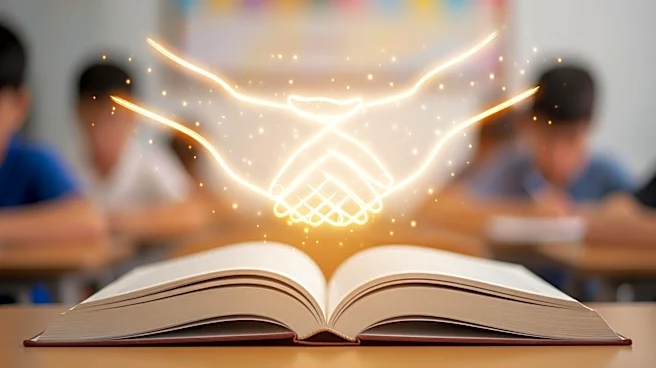




Prosocial behavior, which includes actions like helping, sharing, and cooperating, plays a significant role in educational settings. By fostering a culture of prosocial behavior, educators can create a more supportive and collaborative learning environment. This not only benefits individual students but also enhances the overall educational experience.
Enhancing Student Motivation and Engagement
Incorporating prosocial behavior into the classroom can significantly impact student motivation and
engagement. When students are encouraged to help and support one another, they develop a sense of belonging and connection to their peers. This sense of community can increase their motivation to participate in class activities and contribute to group projects.
Moreover, prosocial behavior can lead to a more positive classroom atmosphere, where students feel safe and valued. This psychological safety allows students to take risks in their learning, ask questions, and express their ideas without fear of judgment. As a result, students are more likely to engage deeply with the material and develop a genuine interest in their studies.
Building Social and Emotional Skills
Prosocial behavior in education also contributes to the development of essential social and emotional skills. By interacting with their peers in positive ways, students learn to communicate effectively, resolve conflicts, and empathize with others. These skills are crucial for success both inside and outside the classroom.
Teachers can facilitate the development of these skills by creating opportunities for students to work together on collaborative projects and engage in group discussions. By modeling prosocial behavior themselves, educators can demonstrate the importance of kindness, respect, and cooperation, reinforcing these values in their students.
Long-term Benefits and Implications
The impact of prosocial behavior in education extends beyond the classroom, influencing students' long-term personal and academic success. Students who develop strong social and emotional skills are better equipped to navigate the challenges of higher education and the workforce. They are more likely to form positive relationships, work effectively in teams, and contribute to their communities.
Furthermore, fostering prosocial behavior in education can have a ripple effect, promoting a culture of kindness and cooperation within the broader school community. As students carry these values into their interactions with others, they contribute to a more inclusive and supportive environment for all.
In conclusion, prosocial behavior is a vital component of a successful educational experience. By prioritizing and promoting these behaviors, educators can enhance student motivation, build essential skills, and create a positive and inclusive learning environment that benefits everyone involved.