





Muzzles are essential tools used to manage the behavior of animals, particularly in preventing biting or unwanted mouth activities. These devices are designed to cover an animal's snout, allowing them to breathe, drink, and sometimes eat, while restricting their ability to bite. Muzzles are commonly used on dogs, horses, and other animals for various reasons, including safety and training. This article delves into the purpose and design of muzzles,
highlighting the materials used and their functionality.
The Purpose of Muzzles
Muzzles serve a critical role in animal management, particularly for dogs. They are often used to prevent unwanted biting, scavenging, or wound licking. For dogs that display aggression due to excitement, fear, or prey drive, muzzles provide a safe way to manage these behaviors. Additionally, muzzles are used on racing and working dogs, such as those in military or police roles, to ensure safety during operations.
In equine management, muzzles are used to prevent horses from biting or cribbing. Some muzzles, known as grazing muzzles, are designed to limit the intake of grass, helping to manage the diet of animals prone to obesity or other health issues. These muzzles allow animals to be part of a herd while controlling their food intake.
Materials and Construction
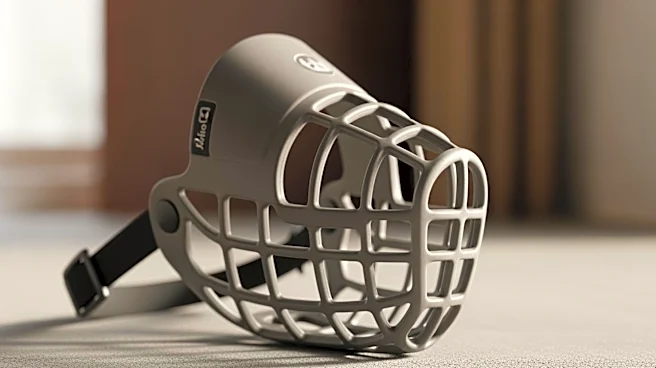
The construction of muzzles varies depending on their intended use. Common materials include leather, wire, plastic, and nylon. Each material offers different benefits; for instance, wire muzzles provide excellent air circulation, allowing dogs to pant freely, which is crucial in hot weather. Leather muzzles are durable and comfortable, while plastic and nylon options are lightweight and easy to clean.
The design of a muzzle can be solid with air holes or made from a set of straps. Solid muzzles are more restrictive but ensure the animal cannot bite, while strap muzzles offer better air circulation and allow the animal to drink and sometimes eat. The choice of design depends on the specific needs of the animal and the situation.
Ensuring Proper Fit and Use
A well-fitted muzzle is crucial for the comfort and safety of the animal. Muzzles should be secured with a strong buckle or fastening device to prevent accidental removal. It's important to ensure that the muzzle allows the animal to breathe and pant freely, especially in warm conditions.
Pet owners and handlers should introduce muzzles gradually, allowing the animal to become accustomed to wearing them. Positive reinforcement can help animals associate the muzzle with a positive experience, reducing stress and resistance. Muzzles are widely available in pet supply stores, making them accessible for pet owners and professionals alike.
In conclusion, muzzles are valuable tools in animal management, offering safety and control in various situations. Understanding their purpose, design, and proper use ensures that they are effective and comfortable for the animals that wear them.