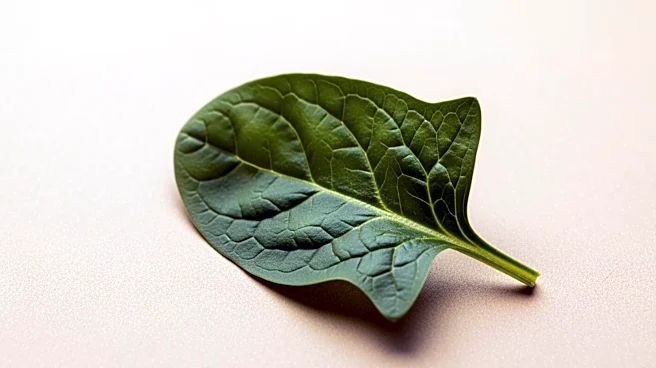







Spinach, a leafy green vegetable, has a rich history that spans continents and centuries. Originating in ancient Persia, spinach has traveled far and wide, becoming a staple in various cuisines around the world. This article delves into the historical journey of spinach, tracing its path from its early beginnings to its widespread popularity today.
Origins in Ancient Persia
Spinach is believed to have originated about 2,000 years ago in ancient Persia, which is present-day
Iran. From there, it made its way to India and later to ancient China via Nepal in 647 CE, where it was known as the "Persian vegetable." This early movement of spinach highlights its initial spread across Asia, setting the stage for its eventual introduction to other parts of the world.
The introduction of spinach to China marked a significant milestone in its history. It was during this time that spinach began to be recognized for its nutritional value and versatility in cooking. The plant's ability to thrive in various climates contributed to its spread and cultivation in different regions.
Arrival in the Mediterranean
In 827 CE, the Arabs introduced spinach to Sicily, further expanding its reach into the Mediterranean region. The first written evidence of spinach in the Mediterranean was recorded in the 10th century in works by notable figures such as al-Rāzī and Ibn Waḥshīyah. These early mentions of spinach in medical and agricultural texts underscore its growing importance in the region.
By the 12th century, spinach had arrived in the Iberian Peninsula, where it was referred to as "raʾīs al-buqūl," meaning "the chieftain of leafy greens." This nickname reflects the high regard in which spinach was held, as it became a popular vegetable in the Arab Mediterranean diet.
Spinach in Europe and Beyond
Spinach made its way to England and France in the 14th century, likely through the Iberian Peninsula. Its introduction to these regions coincided with a time when fresh local vegetables were scarce, making spinach a valuable addition to the diet. Spinach's presence in the first known English cookbook, the Forme of Cury, further attests to its integration into European cuisine.
During World War I, spinach gained a reputation for its health benefits when wine fortified with spinach juice was given to injured French soldiers to help curtail bleeding. This practice highlighted spinach's perceived medicinal properties and contributed to its enduring popularity.
Today, spinach is enjoyed worldwide, celebrated for its nutritional value and versatility in a variety of dishes. From its humble beginnings in ancient Persia to its status as a global culinary staple, spinach's historical journey is a testament to its enduring appeal and adaptability.