

Nina Simone, born Eunice Kathleen Waymon, was a musical prodigy whose early life set the stage for her remarkable career. Growing up in Tryon, North Carolina, Simone's talent for music was evident from a young age. Her journey from a small-town girl to an internationally acclaimed artist is a testament to her dedication and resilience.
Childhood and Musical Talent
Born in 1933, Simone was the sixth of eight children in a respected family. Her father, John Divine Waymon, worked
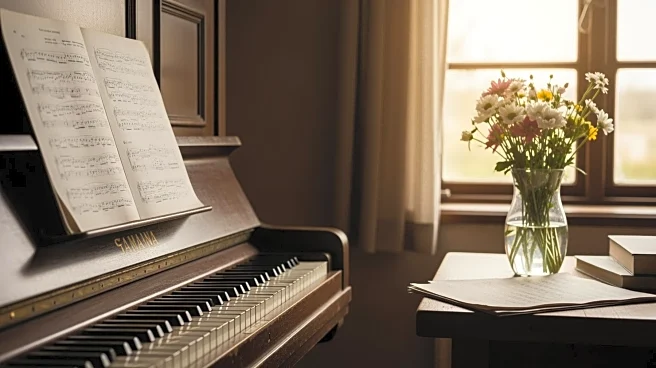
as a barber and dry-cleaner, while her mother, Mary Kate Irvin, was a Methodist preacher. Simone's musical journey began at the age of three or four when she learned to play the piano. Her first song, "God Be With You, Till We Meet Again," marked the beginning of her lifelong passion for music.
Simone's talent was nurtured by her community, which recognized her potential and supported her musical education. She performed at her local church and gave her first classical recital at the age of 12. This performance was marred by a racial incident when her parents were asked to move to the back of the hall to accommodate white attendees. Simone's refusal to play until her parents were returned to their seats was an early indication of her commitment to racial equality.
Pursuit of Classical Music
Simone's early ambition was to become a concert pianist, a dream supported by her community through a special fund for her education. She attended Allen High School for Girls and spent a summer at the Juilliard School of Music in New York City, preparing to apply for a scholarship to the Curtis Institute of Music in Philadelphia. Despite her talent, she was denied admission, a setback she attributed to racial discrimination.
Undeterred, Simone continued to pursue her musical education, taking private lessons and working as an accompanist and piano teacher. Her determination to succeed in the face of adversity laid the foundation for her future career.
Transition to Professional Music
Simone's transition from classical music to a professional career began in Atlantic City, where she performed at a nightclub to fund her lessons. It was here that she adopted the stage name "Nina Simone" to avoid her family's disapproval of her playing "the devil's music." Her performances, which combined jazz, blues, and classical music, quickly gained her a loyal following.
Simone's early experiences and challenges shaped her as an artist and an activist. Her journey from a small-town girl with a dream to a celebrated musician and civil rights advocate is a testament to her talent, determination, and unwavering commitment to her art.