



Tourism in Morocco has grown significantly over the years, becoming a major contributor to the country's economy. With a record 17.4 million visitors in 2024, the industry has seen various phases of development, influenced by historical events and strategic government initiatives. This article explores the evolution of tourism in Morocco, highlighting key milestones and the factors that have shaped its growth.
Early Beginnings and Colonial Influence
The roots of Morocco's tourism industry
can be traced back to the period when the country was a French Protectorate from 1912 to 1956. During this time, tourism was primarily focused on urban areas such as Tangier and Casablanca. Tangier, in particular, attracted many writers and artists, including Edith Wharton and Jack Kerouac, who were drawn to its unique charm and cultural vibrancy. The colonial influence laid the groundwork for Morocco's tourism infrastructure, which would later expand to include beach resorts and cultural sites.
In the 1970s and 1980s, Morocco saw a period of beach resort development, particularly in Agadir on the Atlantic coast. This era marked a shift towards leisure tourism, with an emphasis on attracting visitors to the country's scenic coastal areas. The development of these resorts was a significant step in diversifying Morocco's tourism offerings beyond its urban centers.
Government Initiatives and Vision 2010
The Moroccan government has played a crucial role in the development of the tourism industry. In 1985, the Ministry of Tourism was established to oversee and promote tourism activities. A major turning point came with the introduction of Vision 2010, a strategic plan developed after King Mohammed VI's accession in 1999. The plan aimed to attract 10 million visitors by 2010 and increase tourism's contribution to 20% of GDP.
Vision 2010 focused on marketing Morocco as a cheap, exotic, and safe destination for European tourists. The government invested heavily in infrastructure and promotional campaigns, highlighting Morocco's cultural heritage and historical sites. This initiative significantly boosted tourist arrivals and positioned Morocco as a leading destination in Africa.
Recent Growth and Future Prospects
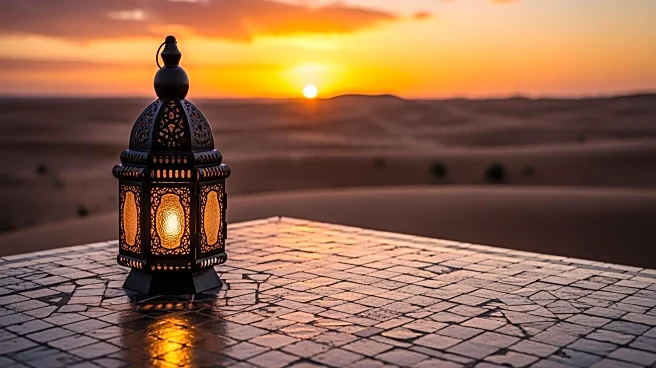
In recent years, Morocco's tourism industry has continued to thrive, with a record 17.4 million visitors in 2024. The country's diverse attractions, including ancient Roman and Islamic sites, have drawn tourists interested in culture and history. The government has also invested in luxury desert camps and trekking circuits, catering to adventure and eco-tourism.
Looking ahead, Morocco's tourism industry is poised for further growth, supported by ongoing infrastructure projects and strategic marketing efforts. As the country continues to enhance its offerings and attract international visitors, tourism will remain a vital component of Morocco's economic landscape.