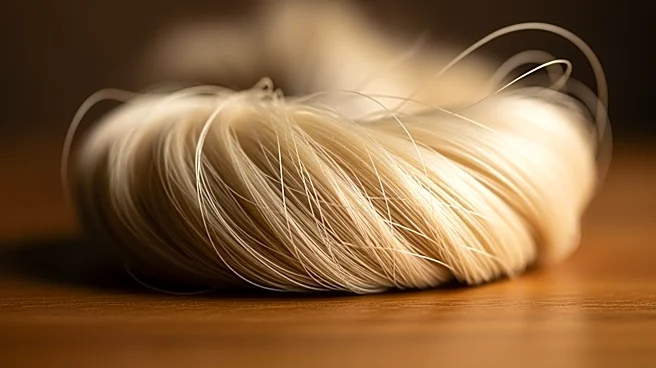






Ramie, a fiber crop native to eastern Asia, is derived from the plant Boehmeria nivea. Known for its strength and silky luster, ramie has been utilized in various industries for thousands of years. Despite its limited acceptance in textiles due to processing challenges, ramie continues to find applications in diverse fields. This article explores the many uses of ramie fiber, from industrial applications to its role in traditional crafts.
Industrial Applications
Ramie fiber
is renowned for its strength, making it an ideal choice for industrial applications. It is used to produce industrial sewing thread, packing materials, fishing nets, and filter cloths. These products benefit from ramie's ability to hold shape and reduce wrinkling, which are essential qualities in industrial settings. Additionally, ramie's resistance to bacteria and mildew makes it suitable for environments where durability and hygiene are critical.
In the automotive industry, ramie has found a place in the production of plant-derived plastics. For instance, the 2010 Toyota Prius incorporated ramie as one of the principal crops used to create eco-friendly plastics. This innovation highlights ramie's potential as a sustainable alternative to petroleum-based materials, aligning with the growing demand for environmentally conscious products.
Textile and Fashion Uses
While ramie is not as widely used in textiles as other fibers, it still plays a significant role in fashion and home furnishings. Ramie is often blended with other fibers, such as cotton or wool, to enhance the durability and appearance of fabrics. These blends are used in clothing, upholstery, and canvas, offering a unique combination of strength and aesthetic appeal.
In Japan, ramie is used to produce high-quality summer kimonos. Known as choma or bu in different regions, ramie textiles like Yaeyama Jofu and Miyako Jofu are prized for their fine quality and craftsmanship. These traditional garments showcase ramie's ability to hold shape and introduce a silky luster, making them highly valued in Japanese culture.
Traditional and Cultural Significance
Beyond its industrial and fashion applications, ramie holds cultural significance in various communities. In the Chinese Hakka community, ramie leaves are used to make pancake-like dumplings with glutinous rice powder, sugar, and water. These dumplings, similar to Southeast Asian Kuih, are steamed on banana leaves, with ramie leaves imparting a dark green color and unique aroma.
In Vietnam, ramie leaves are a key ingredient in making bánh gai, a glutinous rice cake. The leaves give the cake its distinct color, flavor, and fragrance, highlighting ramie's role in traditional Vietnamese cuisine. These cultural uses of ramie demonstrate its versatility and importance beyond industrial and fashion applications.
Ramie's diverse applications across industries and cultures underscore its value as a versatile and sustainable fiber. From industrial products to traditional crafts, ramie continues to be an essential material with a rich history and promising future.