


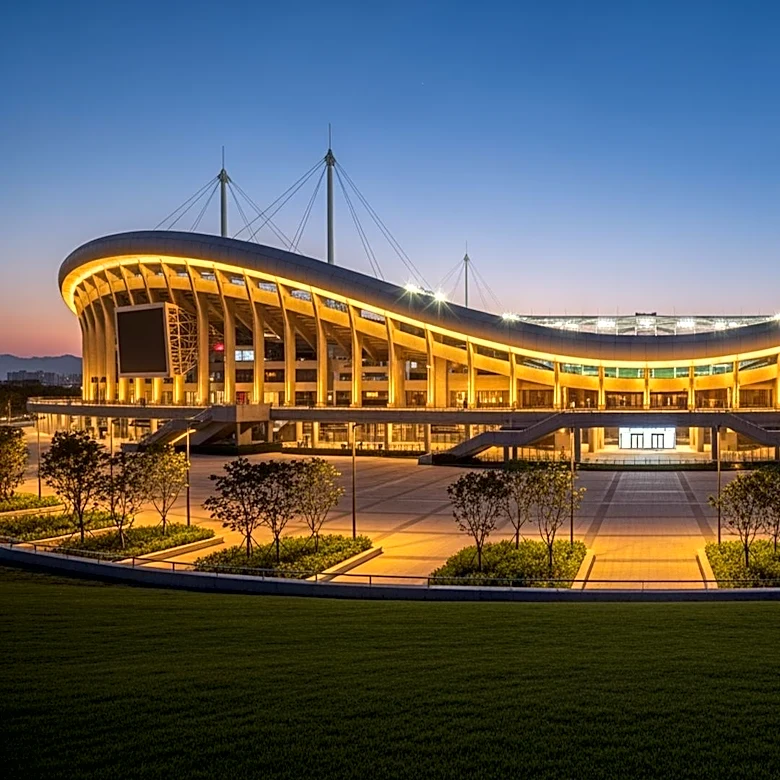




Saitama Stadium 2002 is not only a venue for international sports events but also a central hub for Japanese football. Located in Saitama, Japan, the stadium serves as the home ground for the Urawa Red Diamonds, one of Japan's most successful football clubs. This article explores the stadium's role in promoting and supporting Japanese football at both the club and national levels.
Home of the Urawa Red Diamonds
The Urawa Red Diamonds, a prominent team in the J1 League, have made
Saitama Stadium 2002 their home ground. The stadium's large capacity and modern facilities provide an excellent environment for hosting domestic league matches, attracting thousands of fans to support their team. The presence of the Urawa Red Diamonds at Saitama Stadium 2002 has helped to elevate the profile of Japanese football, drawing attention to the sport and encouraging local support.
The stadium's association with the Urawa Red Diamonds has also contributed to the team's success. With a passionate fan base and a world-class venue, the team has been able to perform at a high level, winning numerous domestic titles and achieving success in international competitions. This success has further solidified Saitama Stadium 2002's reputation as a key location for Japanese football.
Supporting the Japan National Team
In addition to hosting club matches, Saitama Stadium 2002 is also a venue for the Japan national football team. The stadium has been the site of several important international fixtures, providing a home advantage for the national team and allowing Japanese fans to support their country on home soil.
The use of Saitama Stadium 2002 by the national team has helped to foster a sense of national pride and unity among Japanese football fans. The stadium's modern facilities and large capacity make it an ideal location for hosting international matches, ensuring that the Japan national team can compete at the highest level in front of a supportive home crowd.
Promoting Football in Japan
Saitama Stadium 2002's role in Japanese football extends beyond hosting matches. The stadium has become a symbol of the sport's growth and development in Japan, inspiring young players and fans to engage with football. Its success in hosting both domestic and international events has demonstrated the potential of Japanese football, encouraging further investment in the sport.
By serving as a hub for Japanese football, Saitama Stadium 2002 has played a crucial role in promoting the sport and supporting its growth in the country. Its continued use by both club and national teams ensures that it remains a vital part of Japan's football landscape.