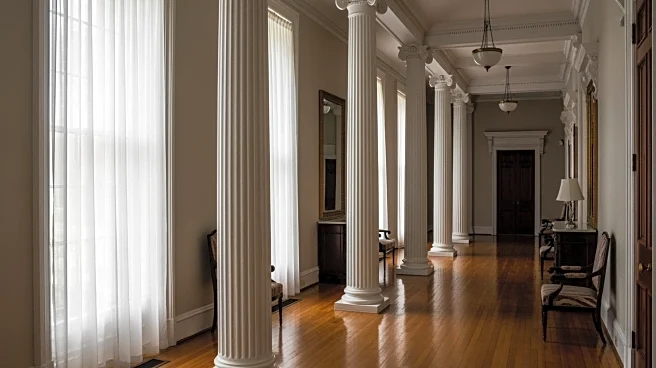




On February 14, 1962, Jacqueline Kennedy, the First Lady of the United States, invited millions of Americans into the White House through a groundbreaking televised tour. This event was not only a showcase of the newly renovated presidential residence but also a cultural milestone that highlighted the role of women in media and politics. The tour, broadcast on major networks, offered a glimpse into the $2 million restoration project that Jacqueline Kennedy had
passionately overseen.
The Vision Behind the Tour
Jacqueline Kennedy had a clear vision for the White House that extended beyond its function as a presidential residence. Upon her arrival in 1961, she embarked on a mission to restore the White House to its historical grandeur. Her efforts were not just about aesthetics; they were about preserving American history and culture. The televised tour was a strategic move to share this vision with the public, allowing them to appreciate the historical significance of the White House and its artifacts.
The tour was meticulously planned and executed. Jacqueline Kennedy worked closely with CBS News correspondent Charles Collingwood, who accompanied her during the broadcast. The program was designed to appeal to a female audience, a demographic that had been largely overlooked by prime-time television at the time. By focusing on the artistic and historical aspects of the White House, Kennedy aimed to engage viewers in a conversation about cultural preservation.
A Cultural Phenomenon
The impact of the televised tour was immediate and far-reaching. More than eighty million viewers tuned in to watch the program, making it a cultural phenomenon. The tour was not only broadcast in the United States but also syndicated to fifty countries, including China and the Soviet Union. This global reach underscored the universal appeal of the White House as a symbol of American heritage.
The success of the program can be attributed to Jacqueline Kennedy's charisma and her ability to connect with the audience. Her elegant demeanor and insightful commentary captivated viewers, making the tour both educational and entertaining. The program's success paved the way for future documentaries aimed at female audiences, highlighting the potential of television as a medium for cultural education.
Legacy and Influence
The legacy of Jacqueline Kennedy's White House tour extends beyond its immediate impact. It set a precedent for how the White House could be used as a platform for cultural diplomacy. The tour inspired other high-profile figures, such as Grace Kelly, to create similar programs showcasing their own cultural heritage.
Moreover, the tour has been analyzed from a feminist perspective, as it allowed women to envision themselves in roles of cultural and historical significance. By presenting the White House as a living museum, Jacqueline Kennedy empowered women to engage with history in a meaningful way. Her efforts in restoring and showcasing the White House continue to influence how the residence is perceived and preserved today.