



The Jeep Cherokee has not only been a popular vehicle choice for decades but has also become a cultural icon in the automotive world. Its evolution from a full-size SUV to a compact crossover reflects broader trends in consumer preferences and automotive design. This article delves into the cultural significance of the Jeep Cherokee and its impact on the SUV market.
The Birth of the SUV
The Jeep Cherokee played a pivotal role in the birth of the SUV as a vehicle category.
When it was first introduced in 1974, the term "sport utility vehicle" was not yet in common use. The Cherokee was marketed as a "sporty" two-door variant of the Jeep Wagoneer, offering a blend of off-road capability and interior space that appealed to a younger audience.
The second generation, introduced in 1984, solidified the Cherokee's place in automotive history. The XJ model was one of the first vehicles to feature a unibody design, which made it lighter and more efficient than its predecessors. This innovation helped the Cherokee gain popularity as a versatile vehicle that could replace the traditional station wagon, appealing to suburban families and outdoor enthusiasts alike.
A Symbol of Adventure and Freedom
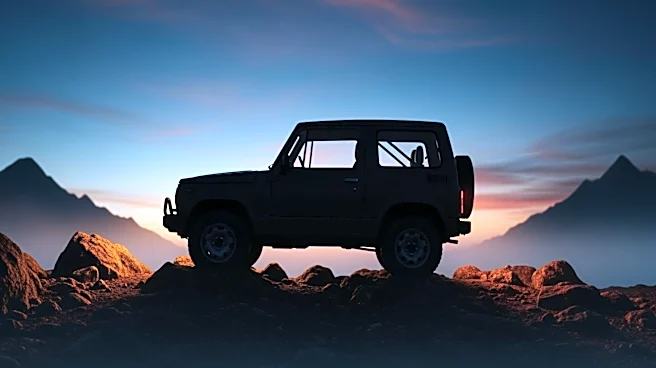
Throughout its history, the Jeep Cherokee has been associated with adventure and freedom. Its rugged design and off-road capabilities have made it a favorite among those who enjoy exploring the great outdoors. The Cherokee's ability to handle a variety of terrains has contributed to its reputation as a reliable and adventurous vehicle.
The Cherokee's marketing has often emphasized its adventurous spirit, with advertisements showcasing its ability to tackle challenging landscapes. This image has resonated with consumers who value the freedom to explore and the confidence that comes with driving a capable vehicle.
The Cherokee Name Controversy
In recent years, the use of the Cherokee name has sparked controversy. In 2021, the principal chief of the Cherokee Nation called for Jeep to change the vehicle's name, arguing that it was time for corporations to retire the use of Native American names and images. The Cherokee Nation had not previously made an official request to stop using the name, and there is no copyright on the Cherokee name.
Jeep's parent company, Stellantis, has stated that the vehicle names are chosen to honor and celebrate Native American people. However, the company has also expressed openness to discussions with the Cherokee Nation about the use of the name. Despite the controversy, the Cherokee name continues to be used on some versions of the vehicle, reflecting the complex relationship between cultural sensitivity and brand identity.