



Workwear in Asia has a rich history, deeply intertwined with cultural and historical developments. From the synthesis of Japanese and European clothing to the influence of political movements in China, workwear in Asia reflects a unique blend of tradition and modernity. This article explores the evolution of workwear in Japan and China, highlighting its cultural significance and historical roots.
Japanese Workwear Evolution
In Japan, workwear developed during the early 20th century,
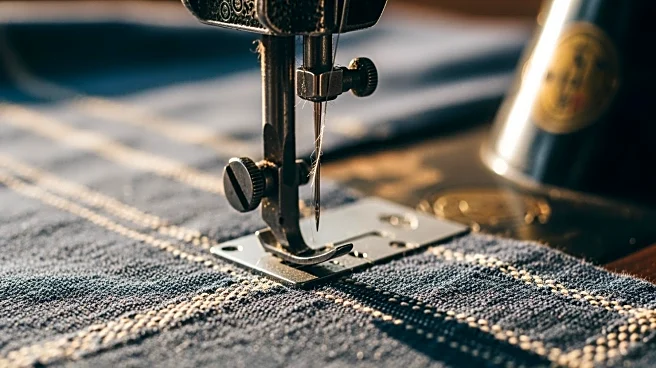
drawing inspiration from both Japanese and European clothing styles. Tobishoku, Japanese high-rise construction workers, wore jika-tabi boots with Nikkapokka pants, which emerged from Dutch knickerbockers and Japanese design. These garments were often stitched using Sashiko, a traditional garment mending technique originally made by Japanese farmers and fishermen to repair damaged clothing.
During the Pacific War, tabi boots were issued to Japanese soldiers to facilitate tree climbing, showcasing the practical application of workwear in military contexts. This blend of functionality and cultural heritage highlights the unique evolution of workwear in Japan, where traditional techniques and modern needs intersect.
Chinese Workwear and Political Influence
Modern Chinese workwear was significantly influenced by political movements, particularly under Communism. The five-button Zhongshan suit, popularized by Sun Yat-Sen and Mao Zedong, became a staple of Chinese workwear. Derived from fatigue blouses issued to prewar German, British, and Russian armies, this suit was adapted to fit the needs of various societal roles.
Under Communism, the Mao jacket became mandatory for all sections of society, with color variations indicating different roles: blue for workers, grey or tan for CCP members, black for policemen, white for naval officers, and green for the military. High-ranking party members were entitled to four external pockets, reflecting their status. In cold weather, a padded two-piece outfit based on the Russian telogreika was worn by peasants and construction workers, further illustrating the practical and political dimensions of Chinese workwear.
Cultural Significance and Modern Trends
The cultural significance of workwear in Asia extends beyond its historical roots. In contemporary times, workwear continues to influence fashion trends, with elements like jika-tabi boots and Nikkapokka pants being incorporated into modern styles. This fusion of traditional and modern elements reflects the ongoing evolution of workwear in Asia.
As workwear becomes more integrated into global fashion, its cultural and historical significance remains a vital aspect of its identity. The unique blend of tradition, functionality, and political influence in Asian workwear offers a fascinating perspective on the broader narrative of workwear evolution.