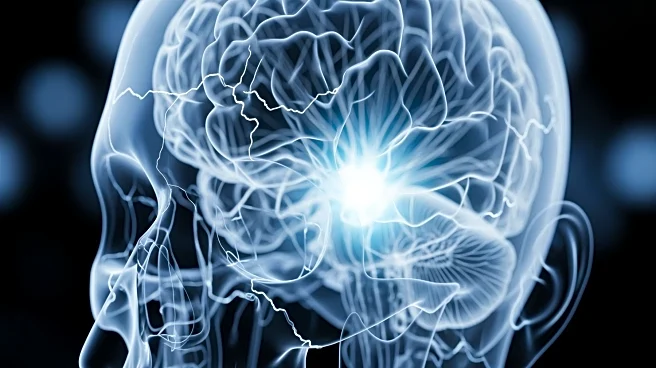

Head injuries encompass a wide range of conditions that can affect the skull and brain, from mild concussions to severe traumatic brain injuries. Understanding the causes, symptoms, and potential outcomes
of these injuries is crucial for effective treatment and prevention. This article delves into the complexities of head injuries, highlighting the various forms they can take and their impact on individuals.
Causes and Types of Head Injuries
Head injuries can result from numerous causes, including accidents, falls, physical assaults, and traffic accidents. These injuries are often classified into two main categories: closed and open head injuries. Closed head injuries occur when the skull remains intact, while open head injuries involve a breach of the skull, often due to a penetrating object.
The severity of head injuries can vary significantly. Mild injuries, such as concussions, may cause temporary disruptions in brain function, leading to symptoms like headaches, confusion, and dizziness. More severe injuries can result in significant brain damage, leading to long-term cognitive, physical, and emotional impairments. In some cases, severe head injuries can be life-threatening, resulting in coma or death.
Symptoms and Diagnosis
The symptoms of head injuries depend on the type and severity of the injury. Mild injuries may present with headaches, confusion, and changes in sleep patterns, while moderate to severe injuries can cause prolonged unconsciousness, seizures, and significant cognitive deficits. In children, symptoms may include changes in eating habits, irritability, and loss of interest in activities.
Diagnosing head injuries often involves a combination of clinical assessments and imaging techniques. The Glasgow Coma Scale is commonly used to assess the level of consciousness and severity of the injury. Imaging techniques like CT scans and MRIs can help identify structural damage and guide treatment decisions.
Potential Outcomes and Recovery
The outcomes of head injuries can vary widely based on the severity and location of the injury. While many individuals with mild injuries recover fully, those with moderate to severe injuries may experience long-term disabilities. Rehabilitation and therapy play a crucial role in recovery, helping individuals regain function and adapt to any lasting impairments.
In conclusion, head injuries are complex conditions that require careful assessment and management. Understanding the causes, symptoms, and potential outcomes of these injuries is essential for providing effective care and support. By raising awareness and promoting prevention strategies, we can reduce the incidence and impact of head injuries in our communities.