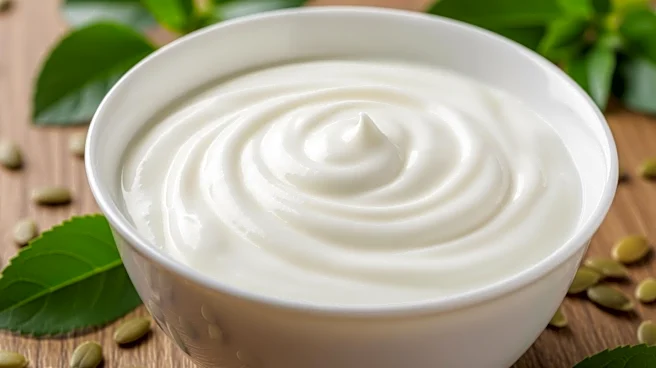









Yogurt is not only a delicious and versatile food but also a powerhouse of nutrition. This fermented dairy product is rich in protein, vitamins, and probiotics, making it a popular choice for health-conscious individuals. Understanding yogurt's nutritional profile and its potential health benefits can help consumers make informed dietary choices.
Nutritional Composition of Yogurt
Plain yogurt made from whole milk is composed of 81% water, 9% protein, 5% fat, and 4% carbohydrates, including
sugars. A 100-gram serving provides 97 kcal of dietary energy, making it a moderate-calorie food option. Yogurt is a rich source of vitamin B12 and riboflavin, providing 31% and 23% of the Daily Value (DV), respectively. It also offers moderate amounts of protein, phosphorus, and selenium, contributing to 14-19% of the DV.
The fermentation process, involving Lactobacillus delbrueckii subsp. bulgaricus and Streptococcus thermophilus, enhances yogurt's nutritional value. These bacteria convert milk sugars into lactic acid, which acts on milk proteins to create yogurt's characteristic texture and flavor. Some yogurts are supplemented with additional probiotic bacteria, further boosting their health benefits.
Health Benefits of Yogurt
Yogurt is often associated with probiotics, which are believed to have positive effects on immune, cardiovascular, and metabolic health. Although high-quality clinical evidence is limited, some studies suggest that consuming yogurt may lower the risk of type 2 diabetes and hip fractures in post-menopausal women. A 2021 review found potential associations between yogurt consumption and improved lactose tolerance, digestion, bone health, and reduced risk of certain diseases.
Daily intake of yogurt has been linked to a reduced risk of overweight, obesity, and type 2 diabetes. Yogurt consumption may also lower the risk of cardiovascular disease and insulin resistance, with some benefits being more pronounced in lower-fat yogurts. These findings highlight yogurt's role as a beneficial component of a balanced diet.
Safety Considerations
While yogurt offers numerous health benefits, safety concerns exist, particularly with yogurt made from raw milk. Such products can be contaminated with harmful bacteria, including Listeria and Salmonella, posing significant health risks. Industrially processed yogurts are generally safer, but contamination can occur if manufacturing practices are suboptimal.
Mold growth on yogurt is another safety issue, as it can penetrate deeply into the product. Consumers should be cautious and avoid consuming yogurt with visible mold. Overall, choosing pasteurized and properly processed yogurt can help mitigate these risks, allowing individuals to enjoy its nutritional benefits safely.