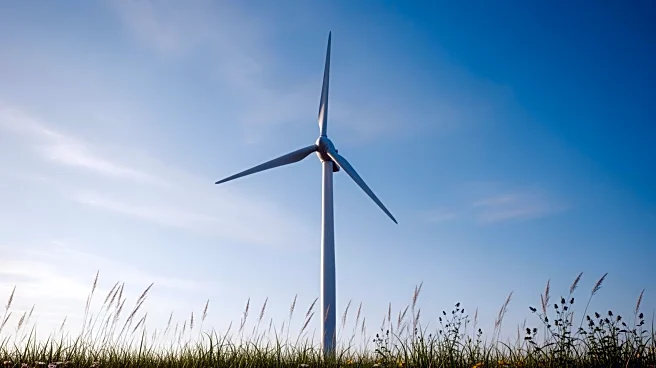

Wind power is a growing source of renewable energy in the United States, known for its minimal environmental impact compared to fossil fuels. However, like any energy source, it does have some environmental effects.
This article explores the environmental impact of wind power installations in the U.S., focusing on land use, wildlife, and recycling challenges.
Land Use and Visual Impact
Wind farms in the U.S. are often built on land that has already been cleared, minimizing additional land disturbance. A study by the U.S. National Renewable Energy Laboratory found that only a small percentage of wind farm areas suffer permanent surface disturbance. On average, 1.1% of the total wind farm area is disturbed, with only 0.43% permanently affected by installations. This is significantly less than the land disturbance caused by coal mines and coal-fired power stations.
Despite the minimal land disturbance, wind farms can have a significant visual impact on the landscape. Onshore wind farms require large areas due to spacing needs, which can lead to "energy sprawl." This visual impact is particularly contentious in scenic and culturally important landscapes, where wind farms may be opposed for spoiling views or heritage sites.
Impact on Wildlife
Wind turbines can affect wildlife, particularly birds and bats. Hundreds of thousands of birds, including raptors and migratory species, are killed each year by wind turbines and their power lines. However, this number is significantly lower than the bird mortality caused by fossil fuel infrastructure. Wind farms are estimated to be responsible for less than 0.4 bird deaths per gigawatt-hour (GWh) of electricity generated, compared to over 5 birds per GWh for fossil-fueled power stations.
To mitigate these impacts, environmental assessments are conducted for wind farm proposals. Turbine locations and operations are often adjusted to minimize effects on threatened species and their habitats. Unavoidable impacts can be offset with conservation improvements in unaffected ecosystems.
Recycling and Waste Management
Wind turbine blades, often made of fiberglass, pose a recycling challenge. These blades have a lifespan of 10 to 20 years and are difficult to recycle, often ending up in landfills. Since 2019, some landfill operators have required blades to be crushed before disposal to reduce their volume.
Efforts are underway to improve the recyclability of wind turbine components. Blades manufactured in the 2020s are more likely to be designed for complete recyclability. Additionally, some blades are repurposed for other uses, such as creating long-lasting small bridges for walkers or cyclists.
Overall, while wind power has some environmental impacts, it remains a cleaner alternative to fossil fuels, with ongoing efforts to mitigate its effects on land, wildlife, and waste management.