




The creation of Twin Peaks Season 3, known as Twin Peaks: The Return, was a complex and intriguing process that involved overcoming numerous challenges. Premiering in 2017, this season marked the return of the iconic series after a 25-year hiatus. This article delves into the behind-the-scenes aspects of the production, exploring the development, casting, and filming of Twin Peaks Season 3.
Development and Scriptwriting
The journey to bring Twin Peaks back to television began in 2012
when co-creators David Lynch and Mark Frost met to discuss a potential third season. They crafted a 500-page plot document instead of a traditional script, allowing for a fluid narrative structure. The project faced budget negotiations with Showtime, but Lynch eventually directed all 18 episodes, ensuring his vision was realized.
The secrecy surrounding the project was intense, with Lynch and Frost publicly denying rumors of the show's return until its official announcement in 2014. They privately reached out to Kyle MacLachlan to ensure his interest in reprising his role as FBI agent Dale Cooper. The script was completed in January 2015, and Showtime executives reviewed it over a weekend, leading to the show's green light.
Casting and Character Development
Casting for Twin Peaks Season 3 included returning actors such as Kyle MacLachlan, Sherilyn Fenn, and Miguel Ferrer, alongside new faces. The production faced challenges with some actors unable to return, such as Michael Ontkean, who had retired from acting. Robert Forster filled the role of town sheriff, playing Frank Truman, brother of Harry.
The season featured a large ensemble cast, with 217 actors involved. David Bowie was asked to make a cameo appearance as FBI Agent Phillip Jeffries, but his declining health prevented it. Before his death, Bowie gave permission to reuse old footage featuring him, leading to the casting of Nathan Frizzell as Jeffries's voice.
Filming and Technical Aspects
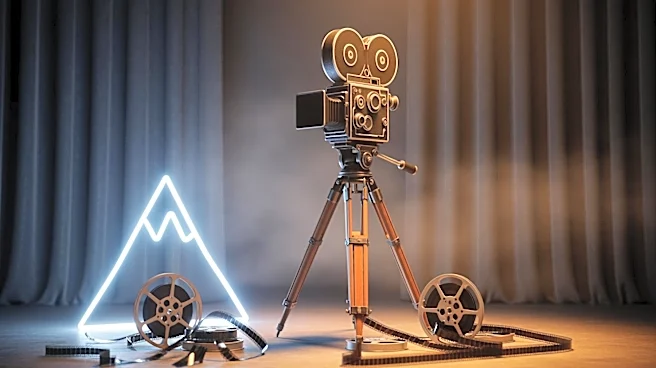
Principal photography for Twin Peaks Season 3 began in September 2015 and took 140 days to complete. The season was shot continuously from a single, long shooting script before being edited into episodes. A 3.2K digital camera, the Arri Amira, was used to capture the series, with 1960 ultra speed lenses from Panavision to soften the digital image's sharpness.
The production faced challenges with locations and set designs, ensuring safety during arson scenes and maintaining the show's unique visual style. The season's score, composed by Angelo Badalamenti, further enhanced the atmosphere, blending new and reused compositions with dark ambient music and sound design.
Twin Peaks Season 3 was a testament to the dedication and creativity of its creators, overcoming obstacles to deliver a groundbreaking series that captivated audiences and critics alike.