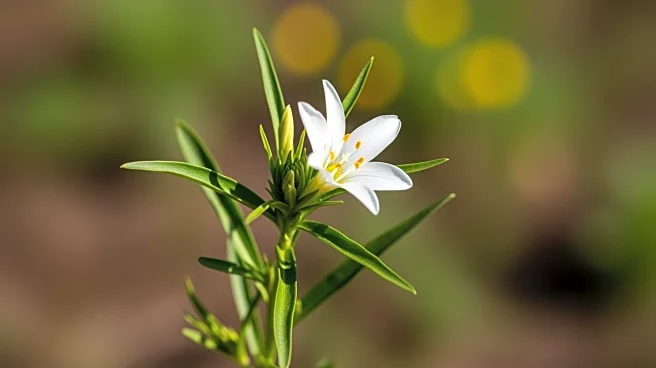




The genus Chlorogalum, known for its soap-like properties, has undergone significant taxonomic changes over the years. Belonging to the Asparagaceae family, Chlorogalum is native to western North America, primarily California and Oregon. This article explores the taxonomic journey of Chlorogalum, highlighting the shifts in classification and the scientific evidence that has shaped its current placement.
Early Classification and Changes
Initially, Chlorogalum was classified within
the Lily family, Liliaceae, in the order Liliales. This placement was common until the 1980s, as seen in the Flora of North America. However, as botanical research advanced, the genus was re-evaluated, leading to changes in its classification. Chlorogalum was also considered part of its own family, Chorogalaceae, and at times grouped within the hyacinth family, Hyacinthaceae, now known as Scilloideae.
The taxonomic shifts reflect the evolving understanding of plant relationships and characteristics. As molecular systematics evidence became more prevalent, it provided new insights into the genetic makeup and evolutionary history of Chlorogalum, prompting further reclassification.
Molecular Evidence and Current Placement
The current classification of Chlorogalum places it in the Asparagaceae family, subfamily Agavoideae. This placement is based on molecular systematics evidence, which has become a cornerstone in modern taxonomy. The APG III system, a widely accepted framework, supports this classification, aligning Chlorogalum with other well-known plants like agave and yucca.
Phylogenetic studies conducted in 1999 suggested that Chlorogalum is closely related to Agave and Anthericum, further supporting its placement in the Agavoideae subfamily. These studies utilized molecular evidence to trace the evolutionary lineage of Chlorogalum, providing a clearer picture of its botanical relationships.
The Impact of Taxonomic Changes
The taxonomic journey of Chlorogalum highlights the dynamic nature of botanical classification. As scientific methods and technologies advance, they offer new perspectives on plant relationships, leading to re-evaluations and reclassifications. For Chlorogalum, these changes have solidified its place within the Asparagaceae family, providing a more accurate understanding of its botanical identity.
The impact of these taxonomic changes extends beyond academic circles, influencing conservation efforts and ecological studies. Accurate classification is crucial for understanding the ecological roles and interactions of Chlorogalum within its native habitats. As taxonomy continues to evolve, Chlorogalum's journey serves as a testament to the importance of scientific inquiry and the ever-changing landscape of botanical research.